Why Does My Cat Pee or Poop Outside the Litter Box? A Guide for Chandler Cat Owners

If your cat suddenly starts peeing or pooping outside the litter box, your first reaction may be frustration. After all, you provided a clean litter box—so why isn't your cat using it?
For cat owners in Chandler, Arizona, understanding changes in your cat's bathroom habits is an important part of keeping them healthy and comfortable, especially when preparing to leave them in someone else's care.

The important thing to remember is that your cat isn't doing this to spite you or get revenge. Going outside the litter box is often your cat's way of telling you that something isn't right.
There can be several reasons for this behavior, ranging from medical problems to litter-box preferences, stress, changes in the home, or simply not liking the location of the box.
Let's look at eight common reasons cats stop using their litter boxes and what you can do to help.
1. A Medical Problem Could Be the Cause
One of the first things to consider when a normally litter-trained cat suddenly has accidents is a medical issue.
Cats may urinate or defecate outside the litter box because of conditions such as:
Urinary tract infections
Bladder inflammation
Bladder stones or crystals
Kidney disease
Diabetes
Arthritis or other painful conditions
Constipation or gastrointestinal problems

A cat that associates the litter box with pain may begin avoiding it because they believe the box is causing the discomfort.
If your cat suddenly starts having accidents, especially if the behavior is unusual for them, contact your veterinarian.
When Is a Cat's Urinary Problem an Emergency?
Urinary problems can become serious quickly, particularly in male cats. If your cat is repeatedly trying to urinate but producing little or no urine, crying or straining while attempting to urinate, or showing signs of significant distress, seek emergency veterinary care immediately.
A urinary blockage can be life-threatening. Don't wait to see whether the problem resolves on its own.
2. Your Cat May Not Like the Litter Box
Cats can be surprisingly particular about their bathroom arrangements.
Your cat may object to:
A dirty litter box
Strongly scented litter
A new type or brand of litter
A box that is too small
A covered box
A box with high sides that is difficult to enter
A box that is difficult to access
A location that is noisy or busy
Some cats prefer a particular type of litter or may dislike having a covered box that traps odors.
If you recently changed litter, moved the box, purchased a new box, or changed your cleaning routine, consider whether the change happened around the same time the accidents began.
Tip: Try returning to your cat's previous litter or box arrangement to see whether their habits improve, after ruling out medical concerns.
3. There May Not Be Enough Litter Boxes
A general guideline is to provide one litter box per cat, plus one additional box.
For example:
1 cat = 2 litter boxes
2 cats = 3 litter boxes
3 cats = 4 litter boxes
This can be especially important in multi-cat households where one cat may guard or intimidate another around the litter box.
It also helps to place boxes in different areas of the home rather than putting every box side by side.
4. Litter Box Location Matters
Would you want to use a bathroom located next to a noisy washing machine, in a crowded hallway, or somewhere you could be startled while using it?
Your cat may feel the same way.
Try placing litter boxes in quiet, easily accessible locations where your cat feels safe. Avoid locations where your cat can easily be trapped or cornered by another pet.
For older cats or cats with mobility problems, make sure the box is easy to reach and doesn't require navigating stairs or jumping over obstacles.
This is particularly important in multi-level homes, where a cat may have difficulty reaching a litter box on another floor.
5. Stress and Changes in Routine Can Cause Litter-Box Problems
Cats are creatures of habit, and changes that seem minor to us can be stressful to them.
Potential stressors include:
Moving
New furniture
A new baby
A new pet
Visitors
Construction or remodeling
Changes in your schedule
A different person caring for them
Conflict with another cat
Changes in the household
Even something as simple as a change in routine can affect a sensitive cat.
For example, if you're planning a vacation or business trip away from Chandler, your cat may notice changes in your daily routine before you even leave.
If your cat is experiencing stress, maintaining a predictable routine and giving them quiet, safe spaces can help.
For cats that prefer familiar surroundings, professional in-home cat sitting can help preserve their normal feeding schedule, litter-box routine, and home environment while their owners are away.
6. Is Your Cat Marking Territory?
There is a difference between urinating and urine marking.
A cat that is marking may leave small amounts of urine on vertical surfaces such as walls, furniture, or doors. The cat may stand with their tail raised and spray backward.
Marking can be related to territory, other cats, changes in the household, or stress.
If your cat is spraying or marking, talk with your veterinarian about possible causes and solutions. Spaying or neutering can also reduce certain types of urine marking.
7. Your Cat May Have Developed a Preference for Another Spot
Once a cat has an accident in a particular location, they may continue returning to that area.
This can happen because the smell remains even after you think you've cleaned it.
Use an enzymatic cleaner specifically designed for pet urine or feces to thoroughly clean affected areas. Regular household cleaners may not completely eliminate the odor that your cat can detect.
If your cat has developed a strong preference for a particular location, you may need to temporarily place a litter box near that area and gradually move it once your cat is consistently using it.
8. Don't Punish Your Cat for Litter-Box Accidents
Punishing your cat for an accident usually doesn't solve the problem.
Yelling, rubbing your cat's nose in the mess, or physically punishing them can increase fear and stress—and may actually make the problem worse.
Instead, try to determine why your cat is avoiding the litter box.
Think of the accident as information:
Your cat is telling you something.
How to Stop Your Cat From Peeing or Pooping Outside the Litter Box
If your cat is eliminating outside the litter box, start with these steps:
Schedule a veterinary checkup, particularly if the behavior is new or sudden.
Clean accidents thoroughly with an enzymatic pet-odor cleaner.
Keep litter boxes clean by scooping regularly.
Provide enough litter boxes for the number of cats in your household.
Try unscented litter if your cat is sensitive to fragrances.
Make sure the box is appropriately sized and easy to access.
Place boxes in quiet, safe locations.
Consider recent changes or stressors in your cat's environment.
Watch for changes in eating, drinking, urination, bowel movements, activity, or behavior.
Never punish your cat for having an accident.
Remember, litter-box problems may have more than one cause. Patience and consistency are important, but medical concerns should always be addressed first.
When Should You Call Your Veterinarian?
Don't assume that litter-box problems are simply behavioral.
A veterinary examination is especially important when:
The behavior starts suddenly.
Your cat is straining to urinate.
Your cat is urinating frequently or producing very little urine.
You see blood in the urine or stool.
Your cat cries or appears painful when using the litter box.
Your cat is constipated or having diarrhea.
Your cat is drinking or urinating significantly more than usual.
Your cat is losing weight or seems unusually tired.
Your cat repeatedly avoids the litter box.
If your cat is struggling to urinate or producing little to no urine, seek emergency veterinary attention immediately.
Cats are experts at hiding illness, so a change in bathroom habits can sometimes be one of the first signs that something is wrong.
A Litter-Box Problem Is a Problem to Solve, Not a Bad Behavior to Punish
When your cat stops using the litter box, it can be frustrating and messy. But approaching the problem with patience can help you identify the underlying cause.
Whether the issue is medical, environmental, behavioral, or simply a strong feline preference for a cleaner or more private bathroom, your cat isn't trying to make your life difficult.
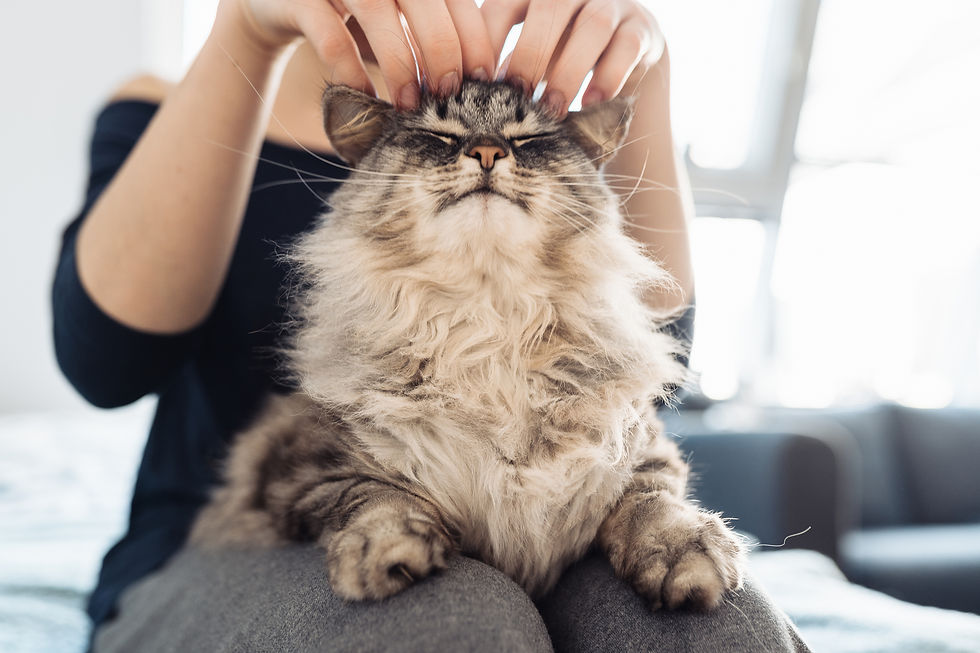
They're communicating with you.
And once you figure out what they're trying to say, you can work toward getting everyone back to a happier—and cleaner—home.
Trusted In-Home Cat Sitting in Chandler, AZ
At TLC House & Pet Sitting Service, we've been caring for pets in Chandler and the surrounding East Valley communities for more than 25 years.
We know that every cat has their own personality, routine, and preferences. When we're caring for your cats while you're away, we follow your detailed instructions and keep an eye out for changes in their normal behavior—including changes in litter-box habits.
If your cat suddenly isn't using the litter box while you're away, we'll let you know so you can determine whether your veterinarian should be contacted.
Whether you're traveling for work, heading out on vacation, or planning time away from home, TLC provides professional in-home pet sitting services for families in Chandler, Gilbert, Mesa, and Tempe, Arizona.
Your cat gets to stay in the comfort of their familiar surroundings, and you can enjoy your time away knowing someone is looking after their needs.
Planning a trip? Contact TLC House & Pet Sitting Service to learn more about our in-home cat sitting services.
Because when it comes to your pets, the little changes can tell us a lot.


Comments