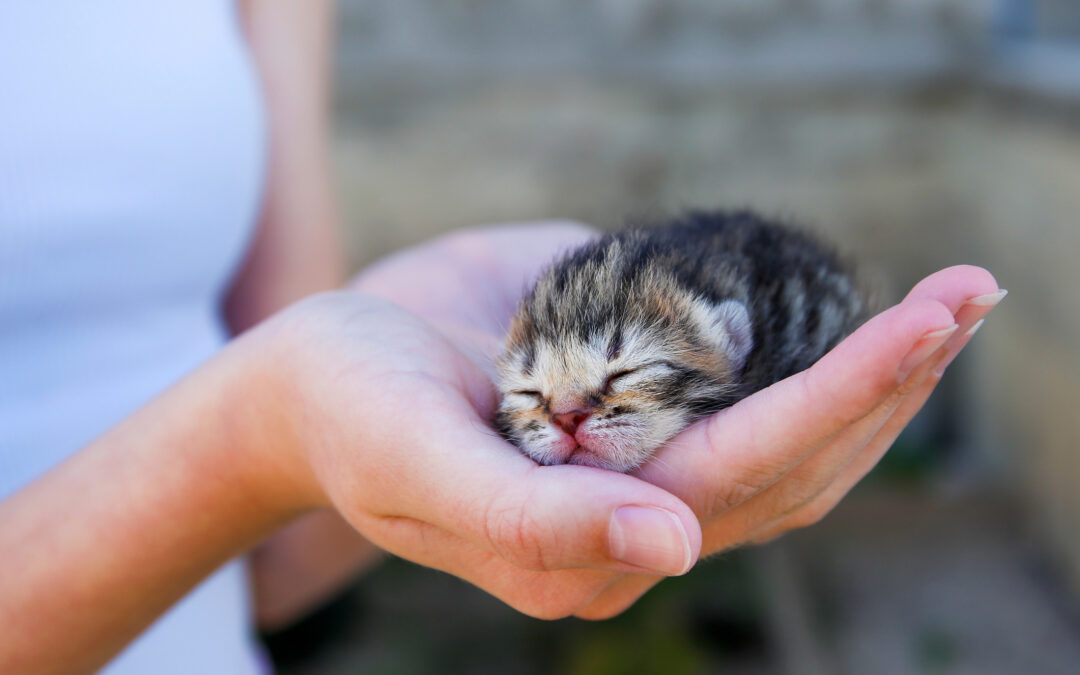
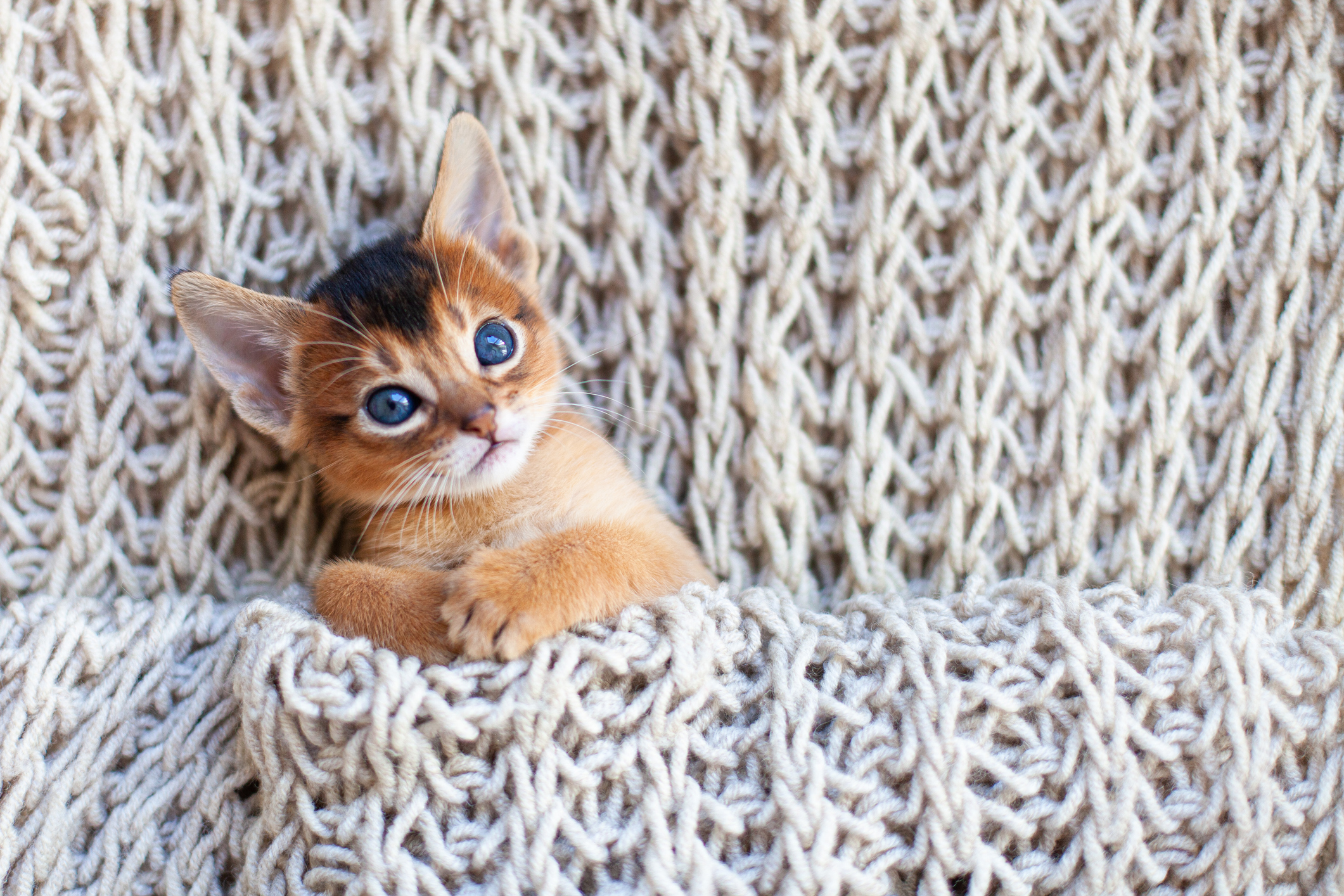
Close up of little red kitten lying under beige knitted blanket. Cute Abyssinian ruddy kitten awaking up in the morning. Autumn or winter image. Selective focus.
As the flowers bloom and the days grow longer, spring brings about a sense of renewal and growth. It’s also a popular time for welcoming new furry additions into our homes – kittens! At TLC House & Pet Sitting Service, we understand the excitement and responsibility that comes with bringing home a new kitten. In this blog post, we’ll explore the importance of responsible pet ownership through practices like Trap-Neuter-Return (TNR), as well as essential tips for caring for and preparing your home for your adorable new feline companion.
Trapped (TNR), Spayed, Neutered
One of the most crucial aspects of responsible pet ownership, particularly for outdoor cats, is Trap-Neuter-Return (TNR). TNR involves trapping feral or stray cats, spaying or neutering them, and then returning them to their original location. This humane approach helps control the cat population and reduces the number of homeless kittens born each year. If you’re considering adopting a kitten this spring, be sure to inquire about their background and whether they’ve been spayed or neutered. If not, it’s essential to schedule this procedure as soon as possible to prevent unwanted litters and contribute to the well-being of your local cat community.
How to Care for a Kitten
Caring for a kitten requires patience, love, and attention to their unique needs. Here are some essential tips to ensure your new furry friend thrives:
Nutrition: Provide a balanced diet formulated specifically for kittens to support their growth and development. Be sure to offer fresh water at all times.
Veterinary Care: Schedule regular check-ups with a veterinarian to monitor your kitten’s health, vaccinations, and preventive care, such as flea and tick prevention.
Socialization: Spend quality time interacting and playing with your kitten to help them develop social skills and form a strong bond with you and other household members.
Grooming: Brush your kitten regularly to remove loose fur and prevent matting. Introduce them to grooming routines early to make it a positive experience.
Litter Box Training: Introduce your kitten to their litter box early and keep it clean to encourage proper elimination habits.
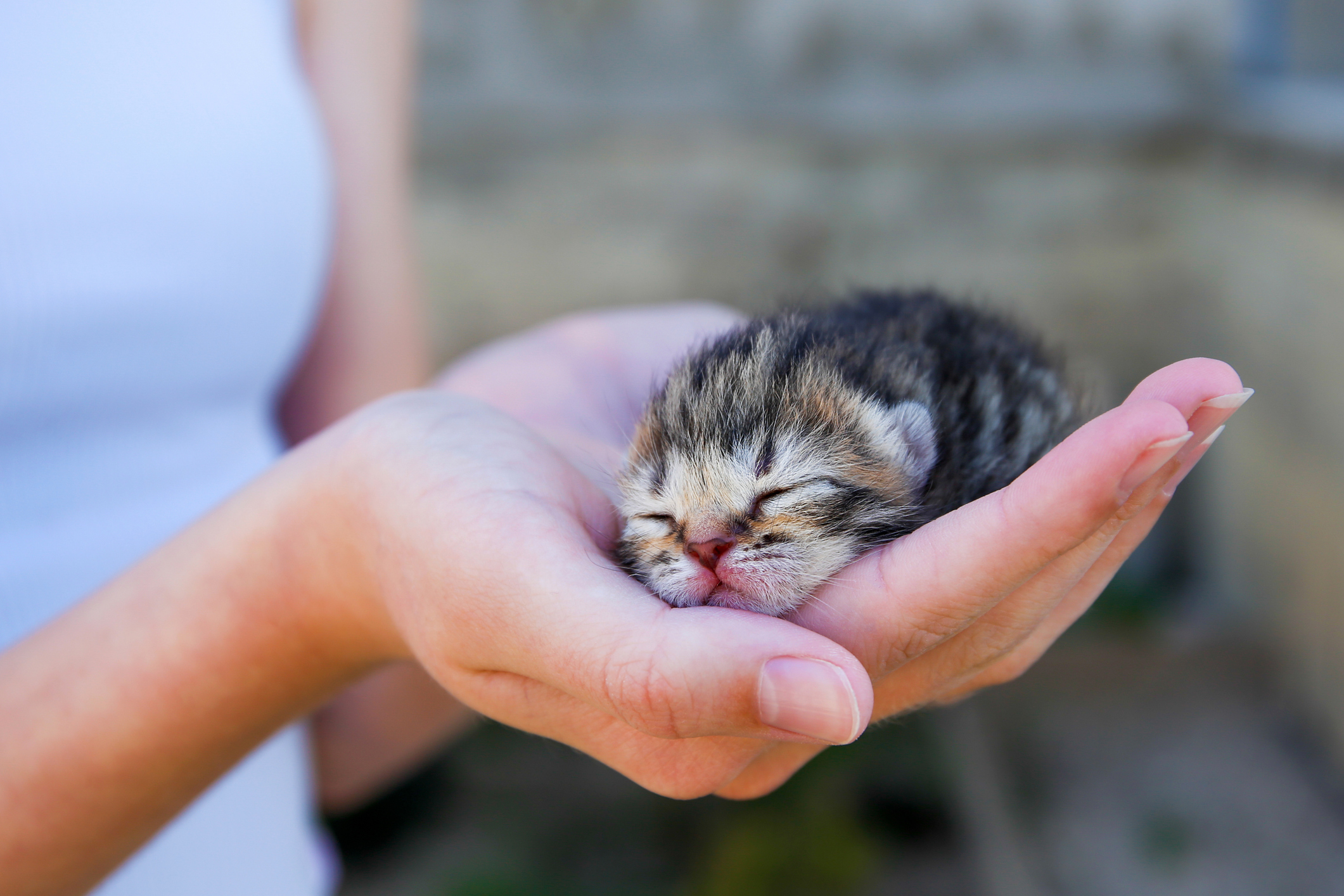
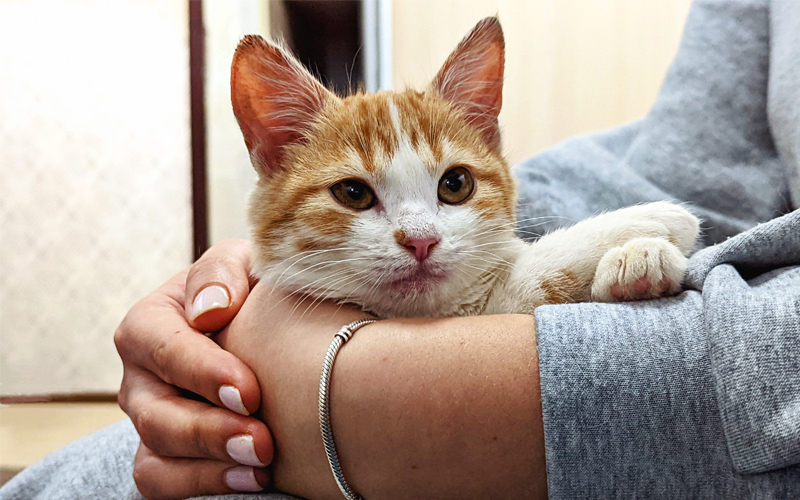
A girl holds a newborn kitten in her arms.
How to Prepare Your Home for a Kitten
Welcoming a kitten into your home involves some preparation to ensure their safety and comfort. Here are some steps to consider:
Kitten-proofing: Remove or secure any potential hazards such as electrical cords, toxic plants, small objects, and accessible high places where your kitten could get stuck or injured.
Provide a Safe Haven: Set up a cozy, quiet area with a comfortable bed where your kitten can retreat to when they need some alone time.
Toys and Enrichment: Stock up on toys, scratching posts, and climbing structures to keep your kitten entertained and engaged in healthy behaviors.
Introduce Gradually: Introduce your kitten to new environments and household members gradually, allowing them time to adjust at their own pace.
Supervision: Supervise your kitten closely, especially during their exploratory phase, to prevent accidents and ensure they feel secure in their new surroundings.
Bringing home a new kitten is an exciting and rewarding experience, but it also comes with responsibilities. By practicing Trap-Neuter-Return (TNR), providing proper care, and preparing your home accordingly, you can ensure a smooth transition for your furry friend and lay the foundation for a happy and healthy life together. At TLC House & Pet Sitting Service, we’re here to support you every step of the way on your journey as a pet parent. Happy spring and happy kitten parenting!
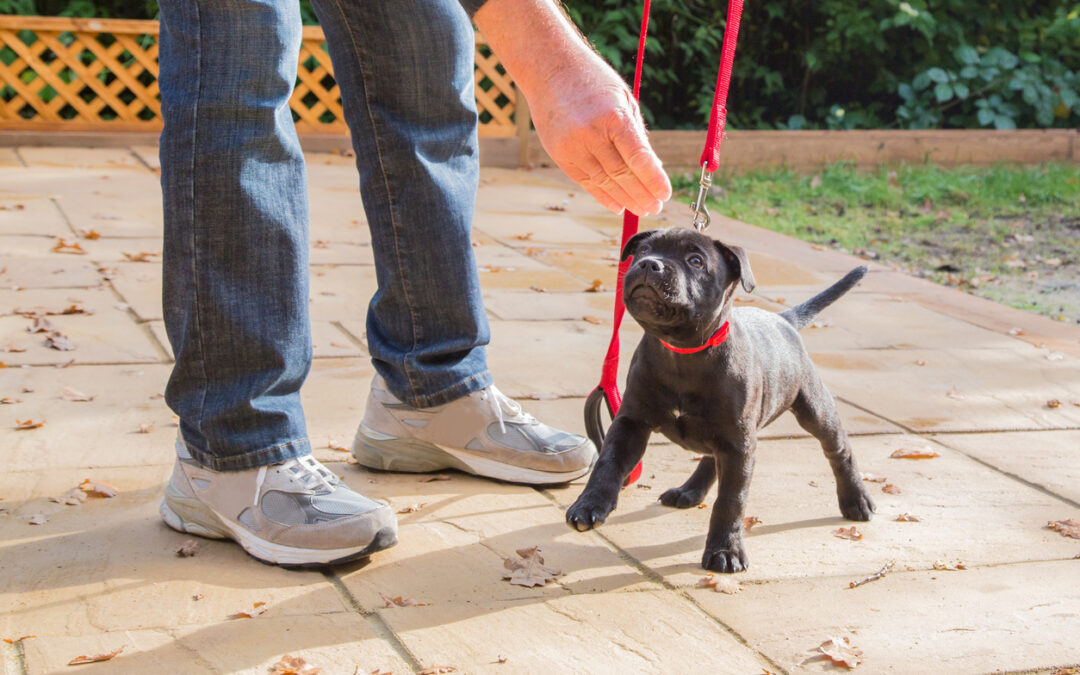
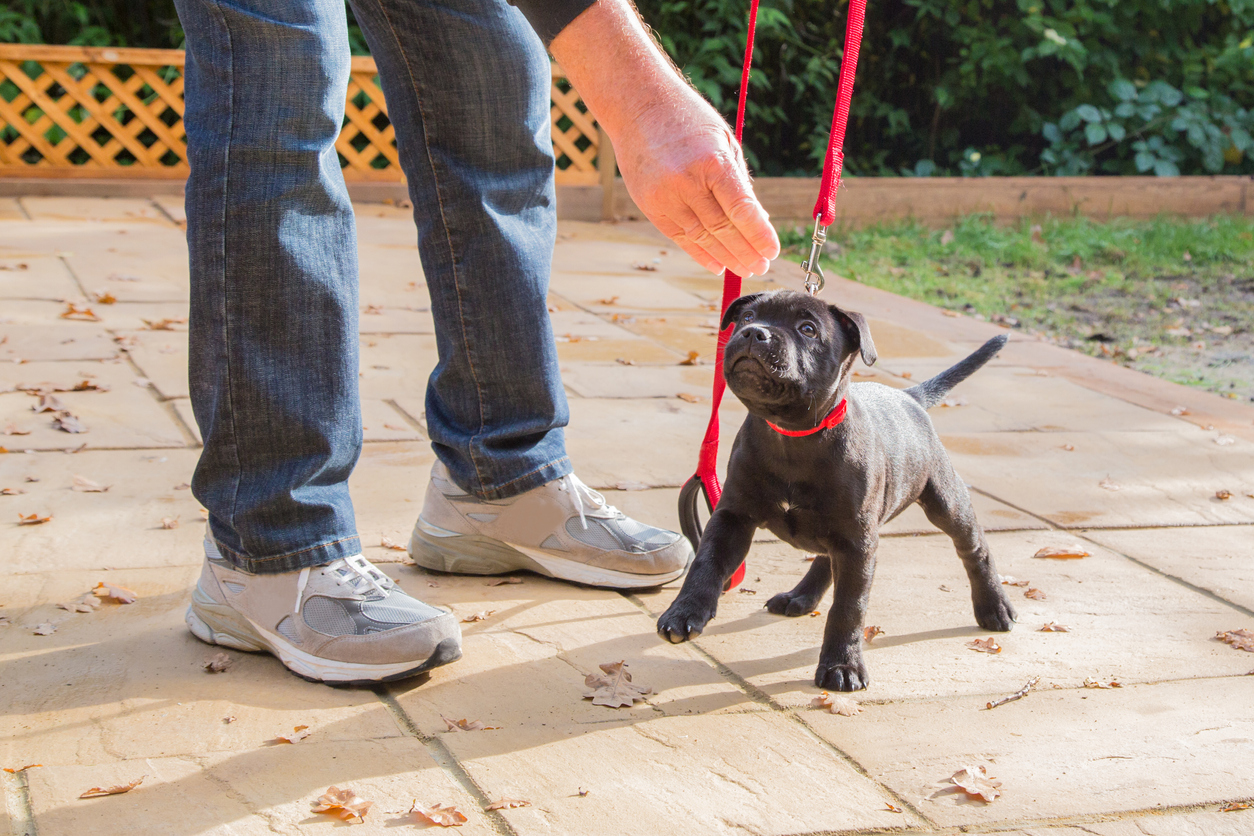
Puppy care tips: A cute black Staffordshire bull terrier puppy with a red collar and red leash, standing on three legs, being trained by a man in jeans and trainers holding a treat for the puppy.
Welcoming a new puppy into your home brings a mix of joy, cuddles, and a bit of a learning curve. To help your new furry family member thrive, we’ve updated our essential care tips to include everything from bladder control and feeding schedules to crate training, exercise pens, and the importance of vaccinations and social skills.
Bladder Control & Water Intake
A puppy’s age can help you gauge how long they can hold their bladder: one hour for every month of age. To aid in nighttime house training, consider limiting water intake before bedtime to help reduce the need for middle-of-the-night bathroom breaks. Always ensure your puppy stays hydrated throughout the day, especially after play and exercise.
Feeding Your Growing Puppy
Feed your growing puppy every three hours to support their rapid development. Consistent feeding times not only help with house training but also establish a routine, making your puppy feel secure and well-cared for.
Crate Training
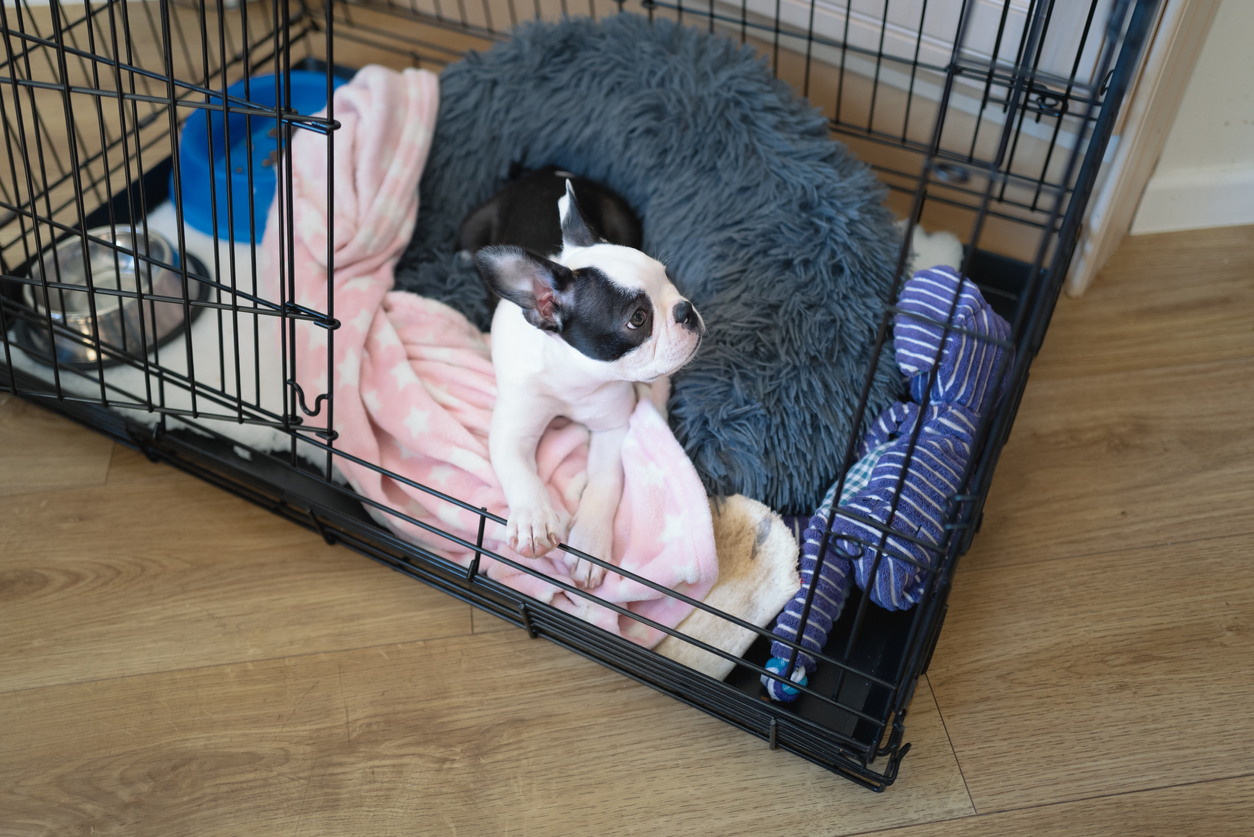
Puppy care tips: Boston Terrier puppy in a cage, crate with the door open. Her bed and blanket, plus toys and bowls can be see in the cage.
Crate training offers your puppy a safe, cozy place of their own. Start with short intervals and gradually increase the time they spend in their crate. Ensure it’s always a positive space with plenty of treats, comfort, and never used as a punishment.
Exercise Pens (X Pens) – Your Puppy’s Play Area:
An X Pen provides a secure area for your puppy to play and explore safely. It’s perfect for when direct supervision isn’t possible. To keep your puppy engaged and stimulated, fill the pen with toys and a comfy bed. Under this section, it’s important to note that TLC Pet Sitting Service can visit your home to help exercise your puppy, ensuring they are well-rested and happy when you return.
Puppy Care Tips for Social Skills & Training
Socialization and training are key to raising a well-rounded pup. Introduce your puppy to new experiences in a controlled manner. Basic training sessions, kept to just a few minutes each time you play, can significantly impact their learning and behavior. Remember, direct interaction with other dogs should wait until after they’re fully vaccinated to protect against diseases like parvovirus.
Vaccinations: A Shield for Your Puppy’s Health
Vaccinations are crucial for your puppy’s health, starting around 6-8 weeks of age with boosters every 3-4 weeks until about 4 months old. This schedule ensures they’re protected against common canine diseases and ready to socialize safely with other dogs.
Raising a puppy is an enriching experience that requires patience, consistency, and love. By following these updated care tips, including TLC’s in-home exercise services, you’re ensuring your puppy grows into a healthy, happy, and well-behaved dog. Adapt these guidelines to fit your puppy’s unique needs and personality for the best results.
Have questions or need personalized advice for your puppy? Contact us! We’re here to support your journey to becoming the best puppy parent possible.
Hiring a pet sitter is a fantastic way to ensure your furry friend remains happy and healthy in the comfort of their own home while you’re away. However, the process isn’t without its pitfalls. To help you navigate the hiring process, we’ve compiled a list of three common mistakes pet owners make when choosing a pet sitter and how to avoid them.
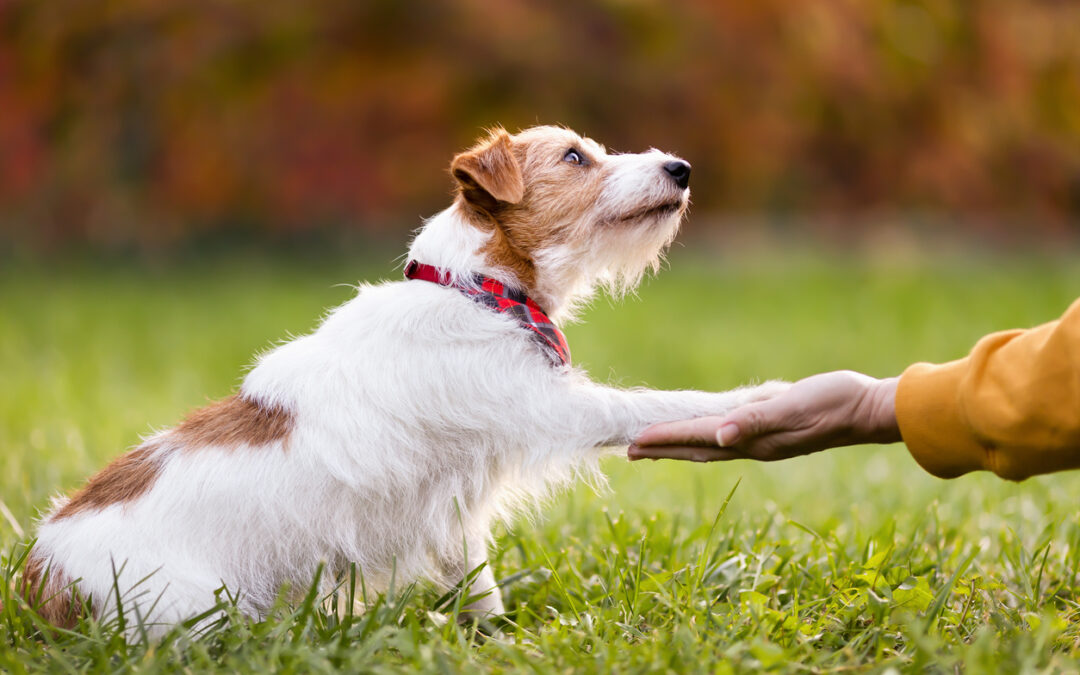
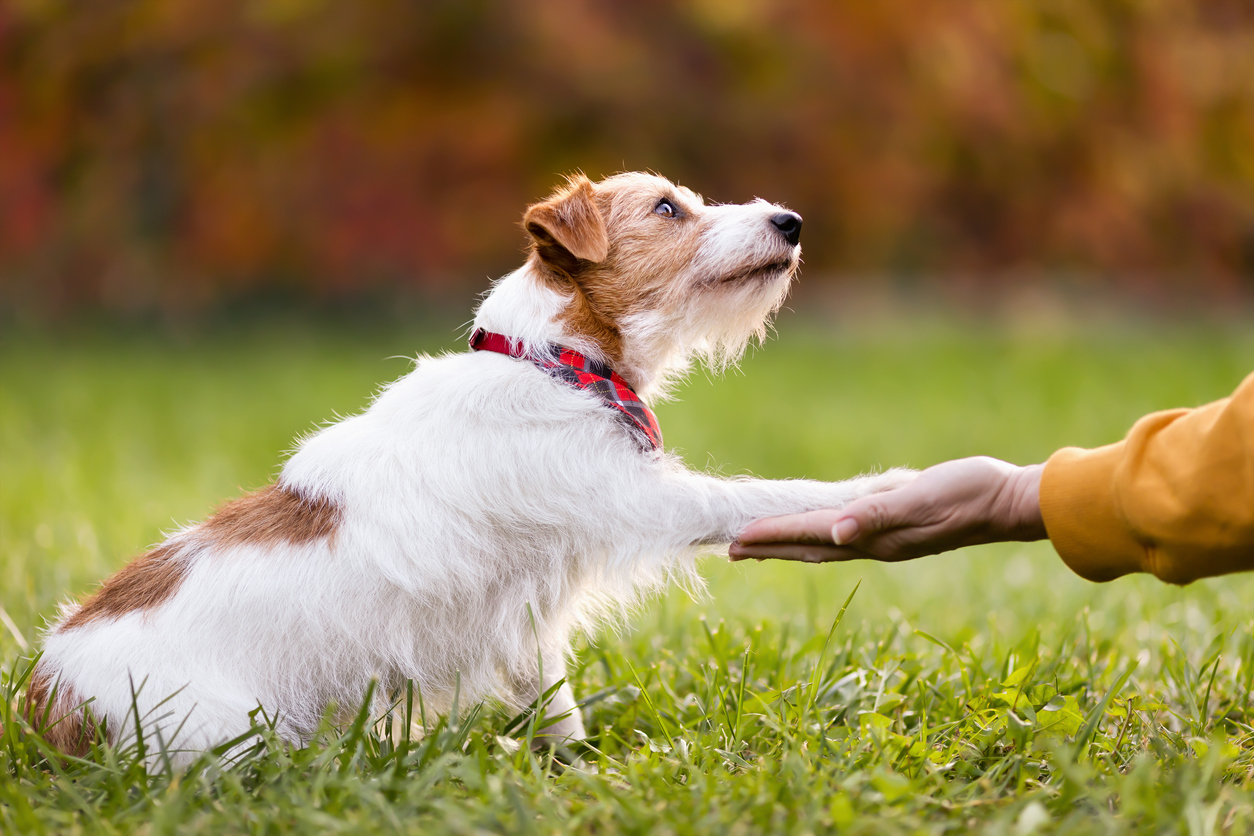
Cute pet dog looking to her owner trainer and giving paw. Friendship and love of human and animal. Trust, connection and care.
Mistake #1: Not Checking References and Reviews
One of the biggest mistakes you can make is not thoroughly vetting your potential pet sitter. It’s essential to check references and read reviews from other pet owners who have used their services.
How to Avoid It:
Ask for at least three references from past clients.
Read reviews on independent websites or social media platforms.
Consider services that conduct background checks on their sitters.
Mistake #2: Overlooking the Importance of Experience and Specialization
Not all pets have the same needs. Some may require special care due to health issues, age, or temperament. Hiring a sitter without the necessary experience or specialization can lead to inadequate care for your pet.
How to Avoid It:
Look for sitters with experience caring for pets similar to yours.
Discuss any special needs your pet has upfront.
Choose a sitter who demonstrates knowledge and comfort with those needs.
Mistake #3: Failing to Have a Meet-and-Greet
Skipping a meet-and-greet session can be a recipe for disaster. It’s crucial for your pet to meet the sitter in advance to ensure they’re a good match. This meeting can also help the sitter familiarize themselves with your home and your pet’s routine.
How to Avoid It:
Schedule a meet-and-greet before finalizing the hiring process.
Observe how the sitter interacts with your pet.
Use this opportunity to discuss your pet’s routine, likes, dislikes, and any emergency procedures.
Finding the right pet sitter is paramount to your peace of mind and your pet’s well-being. By avoiding these common mistakes, you can ensure a positive experience for both you and your furry friend. Remember, a good pet sitter is not just someone who feeds and watches over your pet; they’re an extension of your care and love.
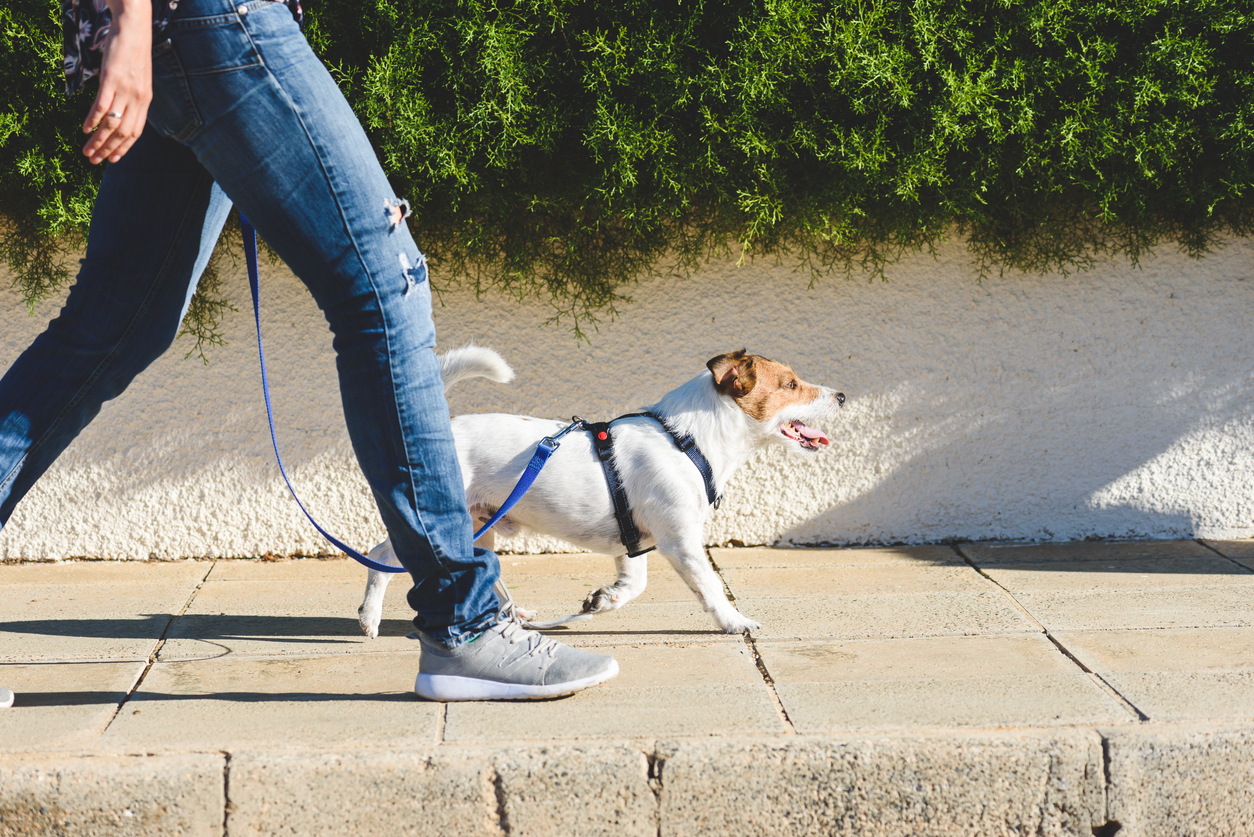
Jack Russell Terrier in harness walking on loose leash
Are you looking for a reliable, experienced pet sitter who can provide the best care for your furry family member? Contact us today to learn more about our services and how we can help keep your pet happy and healthy while you’re away.
The holiday season is a time of joy, warmth, and festive decorations. However, for pet owners, it also brings a unique set of challenges to ensure the safety of our furry family members. From glittering lights to enticing ornaments, holiday decor can pose risks to curious pets. Here’s how you can keep your pets safe and enjoy a pet-friendly holiday season.
1. Beware of Toxic Plants
Many traditional holiday plants like poinsettias, mistletoe, and holly are toxic to pets. Symptoms of poisoning can range from mild nausea to severe illness. Opt for pet-safe plants or artificial replicas to keep your home festive and safe.
2. Secure Your Christmas Tree
A toppling tree can injure a playful pet. Secure your Christmas tree to prevent it from falling. Consider a smaller tree if you have particularly active pets.
3. Avoid Tinsel and Ribbons
Tinsel, while attractive, can be a choking hazard for pets, especially cats. Ingesting tinsel can lead to intestinal blockage. Similarly, ribbons and strings from gifts can be dangerous if swallowed.
4. Be Mindful of Lights and Candles
Chewing on electrical cords can lead to electric shock. Keep cords out of reach or use cord protectors. Never leave lit candles unattended as pets can knock them over, creating a fire hazard.
5. Choose Pet-Friendly Ornaments
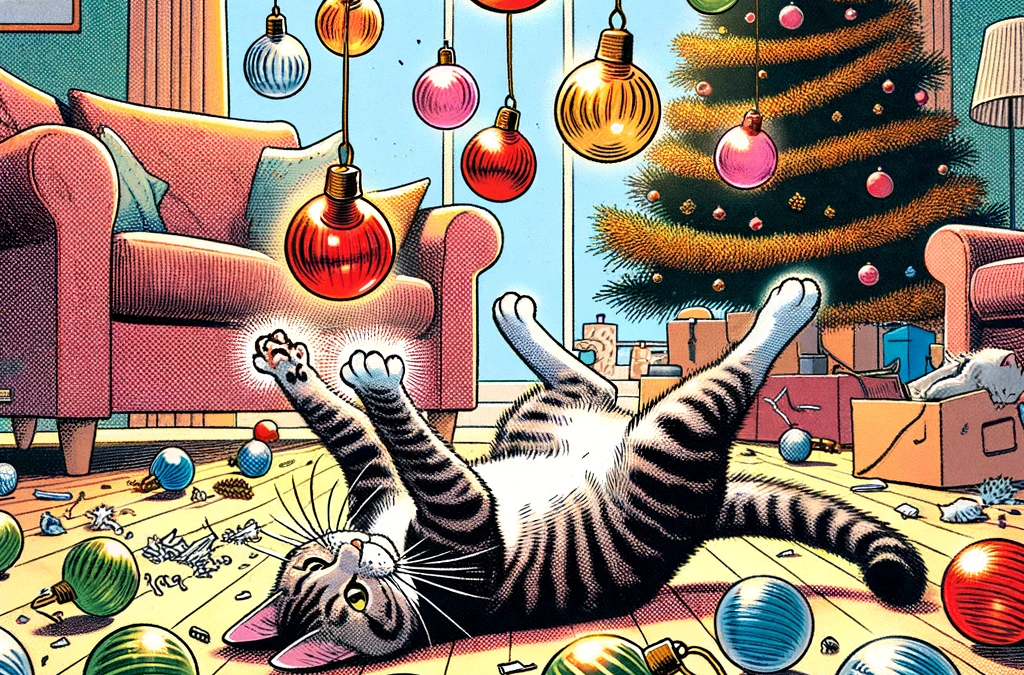
Use shatterproof ornaments to avoid injuries from broken glass. Place delicate and potentially dangerous ornaments out of your pet’s reach.
6. Monitor Edible Decorations
Chocolate and other holiday treats can be toxic to pets. Keep edible decorations and gifts out of your pet’s reach.
7. Create a Safe Space
The hustle and bustle of the holidays can be overwhelming for pets. Provide a quiet, comfortable space where your pet can retreat from the noise and activity.
Looking for more info? Here’s another post with more information from your friends at TLC Home & Pet Sitters: LINK >
With these precautions, you can create a pet-friendly holiday environment. Remember, the best gift you can give your pets this season is their health and safety. Happy Holidays!
Is there such a thing as walking your dog safely in the scorching embrace of an Arizona summer? Only sometimes. Ensuring your furry friend’s well-being during these intermittent walks becomes so much more important. TLC House & Pet Sitting is here to guide you through the essentials for keeping your dog safe on those oh-so-warm days.
Understanding the Impact of Heat on Your Dog
Unlike their wild ancestors, modern dogs live indoors and are more vulnerable to the effects of high temperatures. Their paw pads are less resilient, and they struggle to adapt as swiftly to warmer weather. Thus, it’s your job as a pet parent to recognize the signs of overheating in dogs and be proactive in ensuring their comfort.
Temperature Thresholds for Walks
Determining the ideal temperature for walks is important and maybe a little confusing. At TLC Pet & House Sitting, we have a quick test. If you can’t put your hand on the ground, then it’s too hot to walk your dog. Therefore, we only walk dogs early morning or after the sun goes down.
Even more, at temperatures surpassing 89°F, dogs are at risk of heat stroke, and any reading of 90°F or higher should prompt you to avoid outdoor activity. For several dogs, even temperatures ranging from 70°-77°F can prove excessively warm. High humidity also plays a significant role; if the sum of temperature (in °F) and humidity crosses 150, outdoor exercise should be avoided altogether.
Where we are in Arizona for example, the climate is often very hot and moderately humid in August. Temperatures are up to 106°F on the day of writing this with a humidity of 41%. On average, Phoenix residents (and most cities surrounding) can expect to experience 86°F or higher throughout the month.
Factors Affecting Your Dog’s Heat Tolerance
Your dog’s response to heat hinges on various factors, including:
Breed Considerations
Brachycephalic breeds, characterized by flat faces, such as English Bulldogs, Shih-Tzus, and Pugs, are more prone to heatstroke due to their impaired ability to cool down through panting. Walking these kinds of dogs in hot weather should be approached with caution.
Body Type, Size, and Weight
Smaller dogs possess a higher surface-area-to-mass ratio, allowing them to dissipate heat more effectively than larger counterparts. Overweight dogs are more susceptible to overheating than lean ones.
Age and Health
Senior dogs and puppies struggle to regulate body temperature efficiently, and their sensitivity to heat is heightened. Preexisting health conditions, particularly heart or respiratory ailments, can amplify vulnerability.
Coat Characteristics
Coat thickness and color also influence heat tolerance. Double-coated breeds like Golden Retrievers are prone to overheating, while dark-colored dogs absorb more heat from sunlight.
Don’t Rely on a Fan
Did you know that dogs sweat primarily through their feet? Pets respond differently to heat than people do. And while we love a cool breeze from a fan, they don’t do the job of cooling off pets as effectively as they do humans.
Acclimation and Humidity
Walking your dog in hot weather may be more difficult if your pup isn’t used to those conditions. The general temperature range your dog is accustomed to matters, along with the humidity level. When combined with these factors, you can refer to the following chart for guidance. Remember to do the touch-the-street/sidewalk test first:
Temp °F Recommendation
100° It’s too hot to walk your dog (and yourself, too, probably)
90° Dangerous heat – use caution (go outside for potty breaks only)
80°-89° Modify or skip the walk (early mornings or after sun goes down)
70°-79° Low risk of overheating (depending on the pup, you may need to keep it short)
60°-69° Enjoy your walk!
Ensuring Safe Paw Patrols: Checking Pavement Temperature
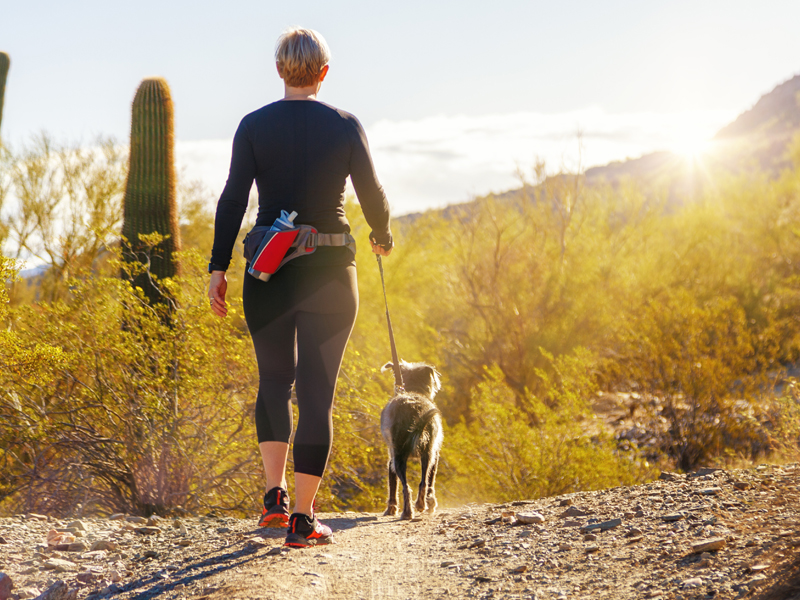
While ambient temperatures might seem manageable, the pavement’s heat can be significantly higher, causing potential harm to your pup’s paws. On sunny days, surfaces like asphalt, concrete, or sand can be 40°-60°F hotter than the air temperature. Stop and think about that for a minute. That’s super-duper hot. To test the pavement’s suitability for your dog, place your hand (or bare foot) on a sunny spot – if you can’t endure it for 10 seconds, it’s too hot for your dog.
Recognizing and Preventing Heat Stroke
Heat stroke is a dire concern during hot weather. Dogs are more heat-sensitive than humans, so identifying symptoms early is crucial:
Fast panting
Excessive drooling
Gums turning red, blue, or bruised
Dry or sticky gums
Weakness
Vomiting
Disorientation
Seizures
If your dog displays these signs, act promptly. Call or take them to the vet and initiate cooling measures. Move your dog into the shade, apply cool (not cold) water, and avoid laying wet towels. Offer water, but don’t force it. A prompt response can avert severe consequences.
Navigating Hot Days: Safe Walking Strategies
To ensure your dog enjoys walks even on scorching days, consider these strategies:
Time Your Walks: Opt for early mornings or evenings when temperatures are cooler.
Plan Your Route: Choose shaded paths and grassy areas instead of hot pavements.
Adjust Your Pace: Slow down, especially if you have a flat-faced breed, to avoid overexertion.
Dress for Success: Utilize dog boots and cooling vests to enhance your dog’s comfort.
Hydration Matters: Carry water and a collapsible bowl for your dog to drink.
Alternative Activities: Swimming or indoor games can provide exercise without excessive heat exposure.
The Wisdom of Staying Healthy
Not unlike us humans, exercise is easier when we are healthier to begin with. If you’re walking your dog in hot weather, they’ll appreciate all the help they can get. If you’d like to help your pup be able to have a pep in their step, consider their overall diet. Reader’s Digest put together ‘The Very Best Diet for Dogs, According to Vets’. The article quotes a veterinarian as saying “As with people, when dogs eat highly processed foods, we see an increase in chronic inflammation which can show up as arthritis, chronic elevation of liver enzymes, immune thyroiditis, and inflammatory bowel disease, among others.”
Walking Your Dog in Hot Weather: Conclusion
When temperatures surge in Arizona (or anywhere, for that matter), ensuring your dog’s safety becomes an important mission. Armed with the knowledge to read your pup’s temperature cues, assess pavement conditions, and recognize signs of heatstroke, you’re equipped to provide the best care for your furry friend. Remember, a few simple adjustments can make all the difference in ensuring enjoyable walks even on the hottest days.
For More Information
If you have questions about this topic or general questions about pet care, you can contact Kara Jenkins, Owner of TLC House & Pet Sitting. We are also available by email at info@tlcpetsitter.com. View more of our articles on pets here.
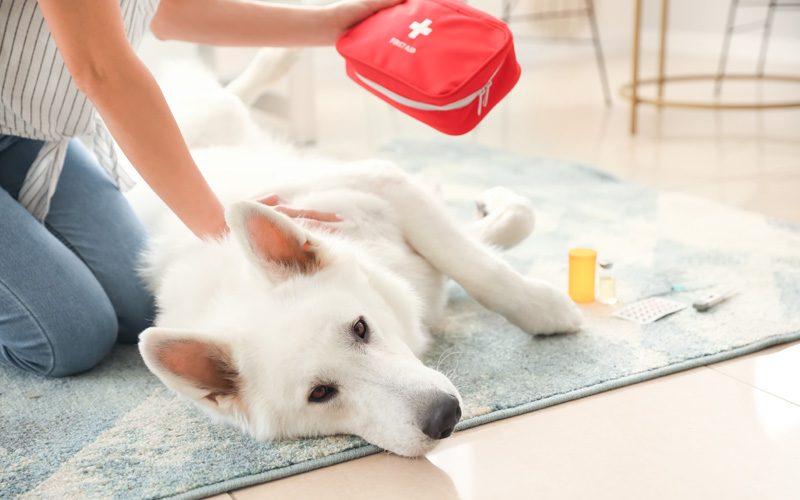
Pet first aid supplies are important any time your pet is far away from immediate help. For example, when your family is on a camping trip with Fido.
Recently, while pet sitting for a client in the Scottsdale area, I realized that two of the dogs had been fighting while I was away. One dog had a small cut on her eyelid, while the other dog had some minor scratches and bites to the face. Fortunately, it was nothing too serious, however, it reminded me of the importance of having a pet first aid kit in the home. Here is a thorough checklist for starting your own pet first aid kit. It could save your pet’s life.
Pet First Aid Supplies Checklist
Important phone numbers and medical records including: your veterinarian, your local animal hospital, and Animal Poison Control Center: 888-4ANI-HELP (888-426-4435) – there may be a fee for this call.
Leash, board or blanket to use as a stretcher, and kennel to transport your pet.
Eye dropper or syringe without needle for oral treatments and flushing wounds.
Gauze which can be used for wrapping wounds or muzzling. Do not use a muzzle if your pet is vomiting.
Bandages or clean cloth, and adhesive tape for bandages. Do not use adhesive bandages like Band-Aid on your pet.
Milk of Magnesia.
Scissors with a blunt end.
Disposable gloves.
Tweezers.
Activated charcoal for poison absorption.
Hydrogen peroxide (3%) to induce vomiting – always talk to your vet or Animal Poison Control first before inducing vomiting
Places like Chewy.com offer many of the supplies you’ll need all in one place. You’ll want to be sure to check your pet first aid supplies every few months to ensure nothing has expired. If it was used, you may need to replace items, too. And, of course, keep these pet first aid supplies out of reach of children.
Many cat owners are divided on the topic of keeping your cat indoors. A Scottsdale client recently told me a story of how his indoor / outdoor cat came home with scratches and bite marks after spending the night outside. His cat really enjoyed the freedom and stimulation of being outdoors, but after several dangerous encounters, this client decided to keep his kitty indoors full time.
Many veterinarians agree that indoor cats live longer due to lower incidents of illness, accidents, and stress. For a happier, healthier pet, you may want to consider keeping your cat indoors.
10 Reasons for Keeping Your Cat Safely Indoors:
Making the decision to keep your cat indoors for safety and health reasons is a very personal choice. In Scottsdale, we have coyotes, feral cats, homeless dogs, raccoons and other hungry animals roaming about – not to mention the occasional rattlesnake!
Cat Parasites – Fleas, tapeworms, hookworms, and other parasites live outside. These skin and intestinal parasites are contracted while Fluffy is wandering in unfamiliar environments. She may pick them up from other animals or even by ingesting infected feces or soil. Parasites cause vomiting, diarrhea, dry skin, dull coat, itchiness and and other symptoms. Unfortunately, parasites can be very stressful for a cat.
TrafficAccidents – Car accidents are a common cause of injury and death for outdoor cats.
Feline Infection and Disease – Cats can easily catch something unpleasant when spending so much time outdoors. Common infections and some of the most dangerous feline diseases such as rabies, the leukemia virus and cat AIDS are extremely contagious. If your cat spends time outdoors, he may contract these diseases from infected felines or other animals. In addition, cats really like to chase mice and birds. Mice and birds are carriers of numerous infections.
Poisoning – Outdoor cats may easily stumble upon toxic plants. Out of curiosity, craving or hunger, they will chew on these out of curiosity, craving or hunger. Poisoning can be fatal in cats, especially if you don’t get to the vet quickly.
You can eliminate the toxic plants, rat poison and other potential dangers from your home, so your cat will not be at risk.
Cat Fights – A cat spending time outdoors is more likely to get into a fight. Cats will fight with other cats, dogs, raccoons or skunks. Unless Fluffy is preparing for the impending serious injuries, this is very dangerous for her. In addition, contracting rabies from stray cats can also happen.
Cat Allergies – Did you know that cats can get allergies, too? Some cats may develop allergy symptoms if left outdoors for extended periods of time. Why? Because they may be sensitive to inhalant allergens such as pollen.
Early Detection – When kept indoors, you can better monitor your cat. Daily view of your feline allows you to quickly notice any changes in their health and behavior. This gives you opportunities to treat illnesses earlier.
Reduce Stress – The stable environment that only a pet owner can provide while indoors, results in less stress for your beloved cats. Parasites and disease are also stress causing triggers. By being less exposed to these factors, an indoor cat may enjoy a more stress-free life.
Cleaner Home – If your cat is not wandering outside, he won’t bring all the ‘gunk’. All kinds of dirt, dead animals and bacteria are out there and he may bring it in. This bacteria could affect the owner. This is especially true if the cat likes to spend time on couches or in the owner’s bed.
Longer, Happier Life – Indoor cats typically live longer than outdoor cats. On average, indoor cats have a life expectancy between 10 to 15 years. Overall, however, there are several factors that determine how long your cat will live. This includes how often you take them to the vet for checkups.
Keeping your cat indoors is certainly a personal choice. If you’re like the cat owner we mentioned above, it may be time to consider making the switch to keeping your cat indoors full time.
For More Information
If you have questions about this topic or general questions about pet care, you can contact Kara Jenkins, Owner of TLC House & Pet Sitting. We are also available by email at info@tlcpetsitter.com. View more of our articles on pets here.
It’s almost Halloween time again. We humans may be looking forward to ghosts and ghouls, but it can be a stressful time for pets. There are many sights and sounds that can scare your pets during Halloween. Taking a few precautions to minimize the spooky factor for your pets can go a long way. With these tips, you can make this Halloween safe for everyone.
Keep the Candy Away from Furry Paws
For many, Halloween is mostly about the candy. Those masses of sugary treats are intended for human trick-or-treaters. Most commercial candy can be toxic to your cat or dog. Did you know that chocolate and pets are a dangerous combination as it can cause illness? Even candies without sugar, like sugar-free gum, can be harmful to your pets. These treats are often made with ingredients that can cause problems for animals. For a more complete list of harmful foods for pets, visit the ASPCA website.
Keep Candy Away from Your Pets
To make sure that your holiday fun isn’t interrupted with a trip to the veterinarian’s office, it is best to keep those treats up and away from anything non-human. This includes zombies, scarecrows, and dragons. With all of those pets and non-pets roaming around this time of year, be sure to keep a close eye on the candy bowl. Pets especially love to grab things when you are distracted by the Princess trick-or-treater at the door. If you suspect your cat or dog did ingest candy or chocolate, contact your veterinarian immediately.
If you absolutely have to treat your dog, there are a few non-candy alternatives that your pup will love. For instance, these Boo Bars from Blue Buffalo. They are made with pumpkin and cinnamon.
Limit Your Pet’s Costume Time
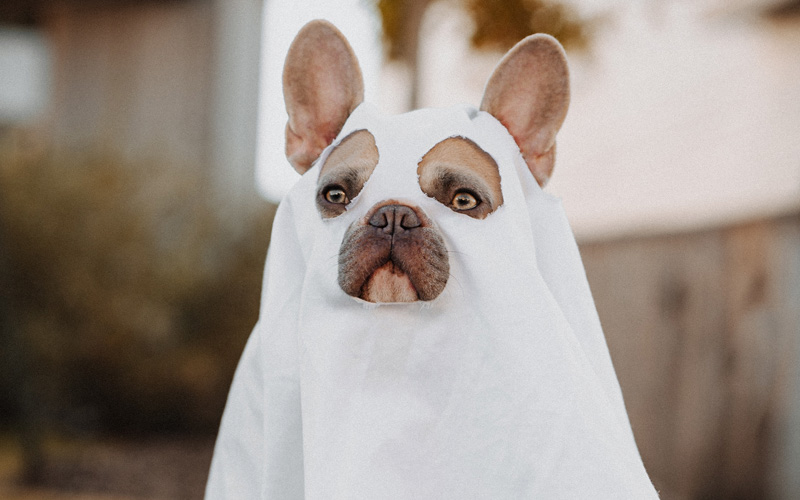
A cat or dog in a Halloween costume can be cute. However, most pets do not enjoy having their movements constricted by an awkward costume. That feeling may cause your pet to panic and become stressed. When your pet feels that stress it can cause a dog or cat to hide or run away in fear. If your pet will be wearing a costume for even a short time, be sure to inspect it. Check the costume for parts that may be a choking hazard. For instance, small parts can be easily chewed off. If you are looking for a simple costume, consider a festive bandana for your pet. Some companies even make personalized bandanas for Rover.
Keeping Your Pet Calm During the Halloween Festivities
Halloween brings a lot of visitors to your door. This can be a frightening time for your pet. The constant flow of strangers – looking unusual – can increase your pet’s anxiety levels. On this evening, you may want to consider keeping your pets in a separate room during trick-or-treating times. Pets kept in a separate room will also ensure that Mittens and Rover won’t try to run out the front door. Just in case, however, make sure that your dog or cat has updated identification tags. In general, having updated tags is a good safety tip any time of the year. It can help you be reunited with your pet if they decide to make a dash for the door.
For More Information
If you have questions about Halloween safety tips for pets or general questions about pet care, you can contact Kara Jenkins, Owner of TLC Pet Sitter. We are also available by email at info@tlcpetsitter.com.
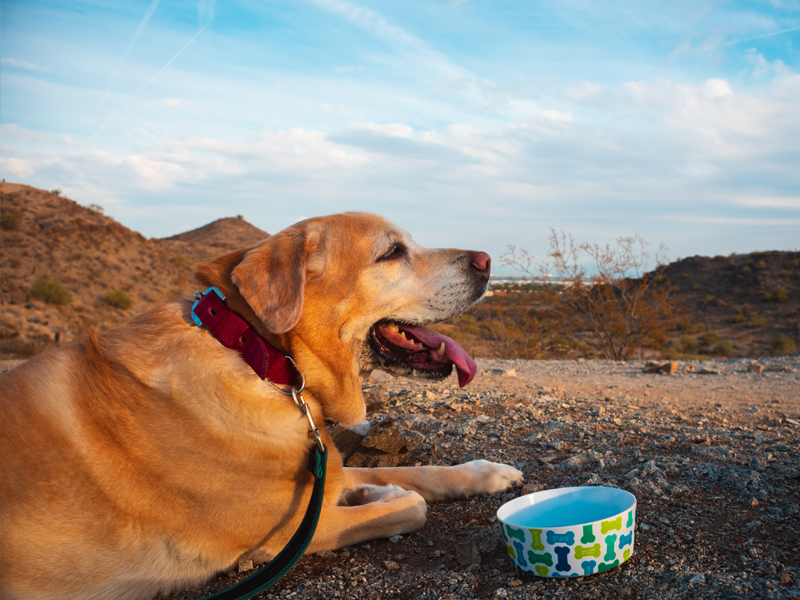
Preventing heat exhaustion in dogs can be a little tricky. Knowing what to look for in your pet is key. During the summer months, especially here in the Arizona valley, temperatures can be lethal for humans as well as for our pets. Therefore, while outside with your dog, please be mindful of the signs of heat exhaustion, which could lead to a potentially fatal heat stroke.
Heat Exhaustion Signs in Dogs
1. Heavy Panting – The first sign of heat exhaustion is heavy panting. Since dogs are incapable of sweating, their only way to cool their internal temperature is through panting.
2. Pay Close Attention to Certain Breeds – Certain breeds with heavy coats (such as Shelties or Chow Chows) and those with short snouts (such as Boxers and Pugs) are much more susceptible to heat exhaustion and should be watched closely while in hot temperatures.
3. Weakness – Dogs may experience weakness in extreme heat. If your usually upbeat dog is acting lethargic, heat exhaustion may be causing it.
4. Disorientation – You may notice that your dog is unaware of his/her surroundings. This is typical during heat exhaustion (same as with humans).
5. Vomiting – If you know your dog hasn’t eaten anything to cause this reaction, it could be heat exhaustion.
Watch for Heavy Panting
Heat Stroke Signs in Dogs
Worse than heat exhaustion is heat stroke. If heat exhaustion is not caught in time, you’ll see these signs in your pet.
1. Heavy Panting – This is also the first sign of heat stroke.
2. Disorientation – Another characteristic of heat stroke.
3. Diarrhea – This often occurs in the event of a heat stroke.
4. Seizures and/or Coma – Another very serious symptom of heat stroke.
Treatment
Preventing heat exhaustion is easy to do. Even so, it sometimes happens. Therefore, it is very important to spot the signs early before a heat stroke occurs. Unfortunately, heat strokes is often times fatal. Pet owners who observe serious signs of heat exhaustion or heat stroke should seek help from a veterinarian immediately. In the meantime, there are things that will cool down a dog displaying signs of heat exhaustion:
1. Provide plenty of water
2. Keep the pet in a cool resting place
3. Place a cool, wet towel around the dog’s neck
4. Ice packs may be placed on the dog’s armpit or neck area
Preventing Heat Exhaustion
Dogs need plenty of water
Some very simple steps can be taken to avoid the serious effects of heat stroke and heat exhaustion in pets.
Avoid taking your dog outside during the middle of the day in the hot summer months. Potty breaks should be limited to quick in and out.
Walk dogs only during the morning and evening hours when the temperature is cooler. Even then, be careful of how far you are walking and keep an eye on Fido’s behavior.
Provide plenty of fresh water at all times. Considering switching it periodically for fresh cooler water.
Never leave your pet outside, tied up, unattended, or in a vehicle when it’s hot outside.
The rule of thumb is that if it’s uncomfortable for you, it’s probably uncomfortable for them.
If you have questions about this topic or general questions about pet care, you can contact Kara Jenkins, Owner of TLC House & Pet Sitting. We are also available by email at info@tlcpetsitter.com. View more of our articles on pets here.
If you have questions about this topic or general questions about pet care, you can contact Kara Jenkins, Owner of TLC House & Pet Sitting. We are also available by email at info@tlcpetsitter.com. View more of our articles on pets here.
It’s only January, and planning a garden can take time. These pet friendly gardening tips will help you prepare for the coming months of warmer weather and Spring growth.
Ready To Start Gardening Again
The beautiful spring weather will be here soon. It may inspire you to enjoy the outdoors with your pets while working on the yard or garden. However, your pets may be in danger from hazardous items. We’re talking about contact with weed killers, insecticides, and poisonous plants.
Always store insecticides in a safe area, out of your pets’ reach. APCC warns specifically, “The most dangerous forms of pesticides include snail bait with metaldehyde, fly bait with methomyl, systemic insecticides with the ingredients disyston or disulfoton, mole or gopher bait with zinc phosphide and most forms of rat poisons.” Luckily, there are alternative pet-friendly insecticides on the market. Start researching some of those options here.
Fertilizer
If ingested in large amounts, your pet could get very sick. Keep fertilizer out of your pets’ reach.
Plants
Some of the most common toxic plants include: sago palm, rhododendron, and azalea. For a more complete list of toxic and non-toxic plants, see below.
Safe & Toxic Plants for Dogs
Thank goodness you don’t have to do research for every plant. The ASPCA has compiled a list of safe and toxic plants for dogs. You can find that list here.
Safe & Toxic Plants for Cats
The ASPCA also compiled a list of safe and toxic plants for cats, too. You can find that list here.
Cold weather safety tips for pets — but in September? You bet. While we know it will be a bit before there’s a snap in the air, we feel good about helping you in being prepared if Lowe’s already has out Christmas trees. So, when the weather gets chilly, take a few minutes to prepare for your furry friends.
With help from the ASPCA, we’ve pulled together tips to help you care for your pets in cold weather.
Keep you dog on their leash at all time. Also, be sure there are tags on their collar. Dogs have a more difficult time tracking scents in the winter time, especially in snow. They can get lost more easily if they do make it off leash.
Make sure to wipe your pet’s paws when they come indoors after walking in snow, rain, or ice. If they lick their paws, they could potentially ingest harmful chemicals such as antifreeze and salts used on roads. Bonus, remember to wipe their belly, too.
Keep your dog appropriately covering during the winter months. For example, purchase a dog sweater or jacket. In addition, do not shave your long haired dog during the winter. They rely on their coat to keep them warm. If you have a short haired dog, they will rely on you to keep them warm.
Limit bathing frequency in winter months. It can remove essential oils needed to keep their skin from getting dry and flaky. If you do bathe your dog, be sure to dry them completely before going for a walk. Be mindful not to let them walk outside in the cold with a wet coat.
For dogs who are active outdoors during winter months, pet owners should be sure to increase their food supply, particularly their protein consumption. Check with your vet for the best way to do this for your particular pet.
Another cold-related problem for cats is frostbite. If your cat is accidentally left outside or becomes lost during a heavy snowstorm, the result could be frostbite. If this happens, remember that frozen tissue should never be rubbed. This causes additional tissue damage. Prompt veterinary treatment is needed.
In the winter time, outdoor cats often sleep under the hoods of cars. So, before you start your car, be sure to make a loud noise near the hood, to give a cat the opportunity to escape.
All Pets – Cold Weather Safety Tips for Pets
Consider keeping your home humidified. The change in air from inside to outside can cause dry, flaky and itchy skin.
Provide a warm, safe place for your pets to sleep in the winter time such as a soft dog bed and blanket.
Don’t ever leave your pet in your car alone in cold weather. During the winter months, your car traps in cold air and pets could potentially freeze to death.
Some pets are sensitive to cold weather because of their age, breed, or illnesses they may have. During the cold months, limit your sensitive pet’s exposure to the weather by keeping them indoors with the exception of potty breaks.
For More Information
If you have questions about this topic or general questions about pet care, you can contact Kara Jenkins, Owner of TLC House & Pet Sitting. We are also available by email at info@tlcpetsitter.com. View more of our articles on pets here.
If you have questions about this topic or general questions about pet care, you can contact Kara Jenkins, Owner of TLC House & Pet Sitting. We are also available by email at info@tlcpetsitter.com. View more of our articles on pets here.
The temps are getting warmer again and it’s time for a friendly reminder about alternatives to leaving pets in the car alone. Did you know that in just a few minutes, your dog could be seriously injured or worse, if temps get too hot?
The temperature inside a vehicle can actually rise to higher than that of the outside. This is especially true during spring and summer months in Arizona. These temperatures, combined with the enclosed space inside the vehicle, can spell a disaster for your four legged friend. What may seem like a simple five minute trip to the store for you, could become a stuffy oven for your pet very quickly. This can result in exhaustion, sickness, and in more extreme cases death.
We want to be sure that you and Fido have a happy and healthy few months. Therefore, we’ve pulled together a few alternatives to leaving pets in the car.
5 Alternatives to Leaving Pets in the Car
1. Use the Drive Through
If there’s an option to use a drive through, take it. You and your dog can stay together in the cool conditioned air. You may even get to listen to your favorite song on the radio while you wait your turn in line.
2. Ask a Friend or a Pet Sitter Like Us
Ask a friend to tag along who can play with Fido while you take care of your errand. Of course, when a longer errand is planned ahead, a pet sitting service like TLC Pet Sitter is always here to help. We can stay and play with your dog for a predetermined amount of time in the comfort of your own home.
3. Can Your Pet Come Inside with You?
If the store allows it, and your pet is socially trained, bring them in with you.
4. Eating Outdoors Anyone?
There are several spots in and around the area that offer outdoor dining. Many of them also allow your four legged friend to join you. Ask for a bowl of water for your pup, and everyone enjoys a meal together.
5. Let Your Dog Skip the Trip
If you have to run an errand, and it’s possible and safe to leave your pet home, consider this option. It’s quite possible that Fido will use this time to catch up on his beauty rest.
All the cool comforts of home
What to Do – Just in Case
What if you see someone else’s pet left in a car? This can be scary, for you and the pet. As pet owners, we can imagine what that pet might be feeling and panic may set in. Take a deep breath and do the following as quickly as you can.
See if the car was left running with the air conditioning on. If not,
Keep an eye on the animal and call the local animal control or police department and let them know that an animal is in distress
Try to find the pet parent. Make note of the license plate number, color and make of the car, and alert the closest store to make an announcement.
In many places, it is against the law to leave a pet in a hot car.
If the authorities have not yet arrived and the dog’s life appears to be in imminent danger it may be time to act. Find a witness (or several) who share your assessment of the situation. Then, take steps to remove the animal from the hot car. Do not leave the scene until authorities arrive.
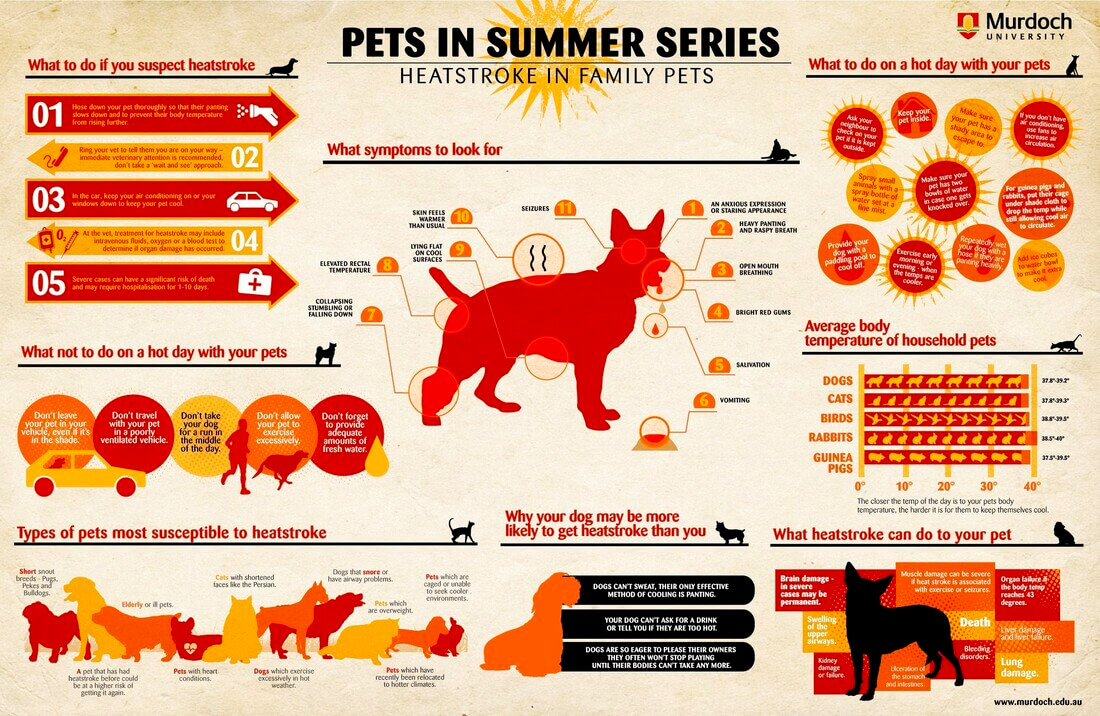
Signs of Heatstroke in Pets
Whether it is your pet, or someone else’s, it’s good to familiarize yourself with the signs of heatstroke.
Click for better view. Know the signs of an overheated dog.
If you see heatstroke symptoms, get them out of the heat, preferably into an air-conditioned space, and then to a veterinarian immediately. If it is not your dog, or you cannot transport the dog yourself, call animal control and let them know it is an emergency. Symptoms to look for include restlessness, thick saliva, excessive thirst, heavy panting, lethargy, lack of appetite, dark tongue, rapid heartbeat, fever, vomiting, bloody diarrhea, or lack of coordination.
We know that as pet owner’s you’ll be especially careful during these hotter months, will consider the risks, and choose not to leave them alone in a vehicle even if it’s only for a few minutes.
For More Information
If you have questions about this topic or general questions about pet care, you can contact Kara Jenkins, Owner of TLC House & Pet Sitting. We are also available by email at info@tlcpetsitter.com. View more of our articles on pets here.
If you have questions about this topic or general questions about pet care, you can contact Kara Jenkins, Owner of TLC House & Pet Sitting. We are also available by email at info@tlcpetsitter.com. View more of our articles on pets here.