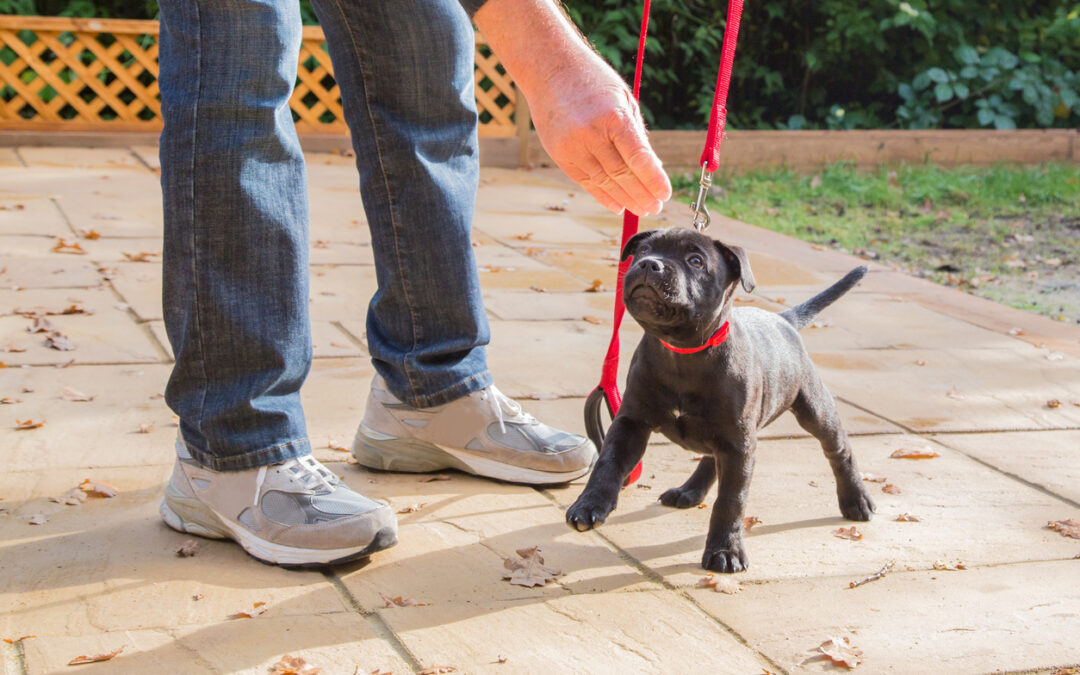
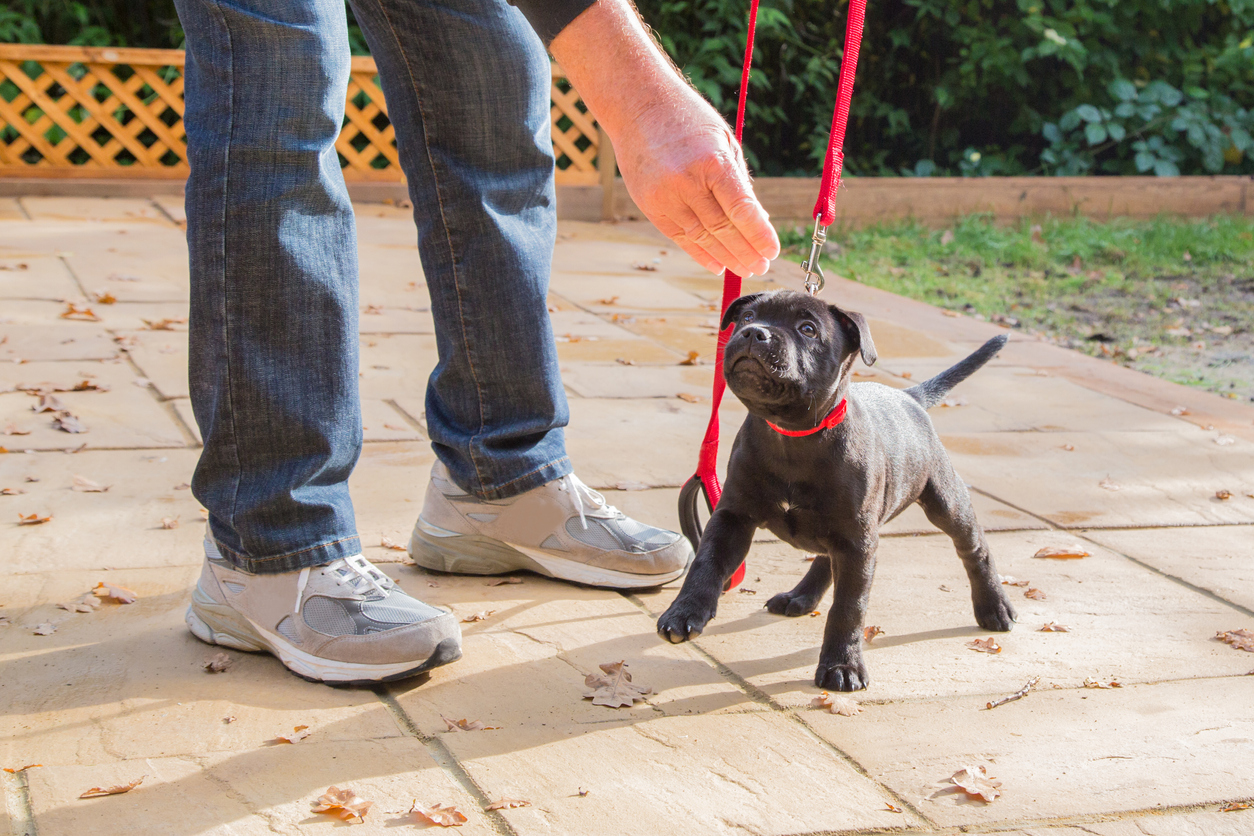
Puppy care tips: A cute black Staffordshire bull terrier puppy with a red collar and red leash, standing on three legs, being trained by a man in jeans and trainers holding a treat for the puppy.
Welcoming a new puppy into your home brings a mix of joy, cuddles, and a bit of a learning curve. To help your new furry family member thrive, we’ve updated our essential care tips to include everything from bladder control and feeding schedules to crate training, exercise pens, and the importance of vaccinations and social skills.
Bladder Control & Water Intake
A puppy’s age can help you gauge how long they can hold their bladder: one hour for every month of age. To aid in nighttime house training, consider limiting water intake before bedtime to help reduce the need for middle-of-the-night bathroom breaks. Always ensure your puppy stays hydrated throughout the day, especially after play and exercise.
Feeding Your Growing Puppy
Feed your growing puppy every three hours to support their rapid development. Consistent feeding times not only help with house training but also establish a routine, making your puppy feel secure and well-cared for.
Crate Training
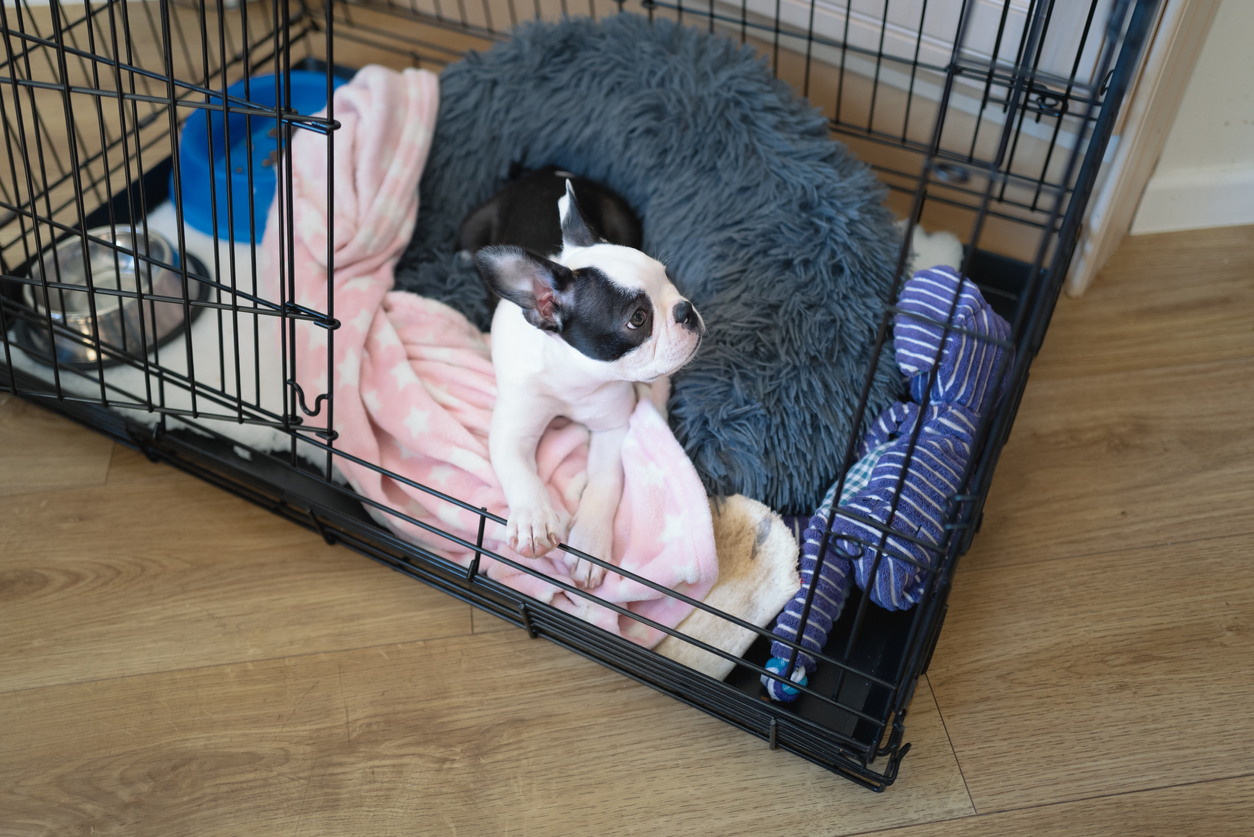
Puppy care tips: Boston Terrier puppy in a cage, crate with the door open. Her bed and blanket, plus toys and bowls can be see in the cage.
Crate training offers your puppy a safe, cozy place of their own. Start with short intervals and gradually increase the time they spend in their crate. Ensure it’s always a positive space with plenty of treats, comfort, and never used as a punishment.
Exercise Pens (X Pens) – Your Puppy’s Play Area:
An X Pen provides a secure area for your puppy to play and explore safely. It’s perfect for when direct supervision isn’t possible. To keep your puppy engaged and stimulated, fill the pen with toys and a comfy bed. Under this section, it’s important to note that TLC Pet Sitting Service can visit your home to help exercise your puppy, ensuring they are well-rested and happy when you return.
Puppy Care Tips for Social Skills & Training
Socialization and training are key to raising a well-rounded pup. Introduce your puppy to new experiences in a controlled manner. Basic training sessions, kept to just a few minutes each time you play, can significantly impact their learning and behavior. Remember, direct interaction with other dogs should wait until after they’re fully vaccinated to protect against diseases like parvovirus.
Vaccinations: A Shield for Your Puppy’s Health
Vaccinations are crucial for your puppy’s health, starting around 6-8 weeks of age with boosters every 3-4 weeks until about 4 months old. This schedule ensures they’re protected against common canine diseases and ready to socialize safely with other dogs.
Raising a puppy is an enriching experience that requires patience, consistency, and love. By following these updated care tips, including TLC’s in-home exercise services, you’re ensuring your puppy grows into a healthy, happy, and well-behaved dog. Adapt these guidelines to fit your puppy’s unique needs and personality for the best results.
Have questions or need personalized advice for your puppy? Contact us! We’re here to support your journey to becoming the best puppy parent possible.
Hiring a pet sitter is a fantastic way to ensure your furry friend remains happy and healthy in the comfort of their own home while you’re away. However, the process isn’t without its pitfalls. To help you navigate the hiring process, we’ve compiled a list of three common mistakes pet owners make when choosing a pet sitter and how to avoid them.
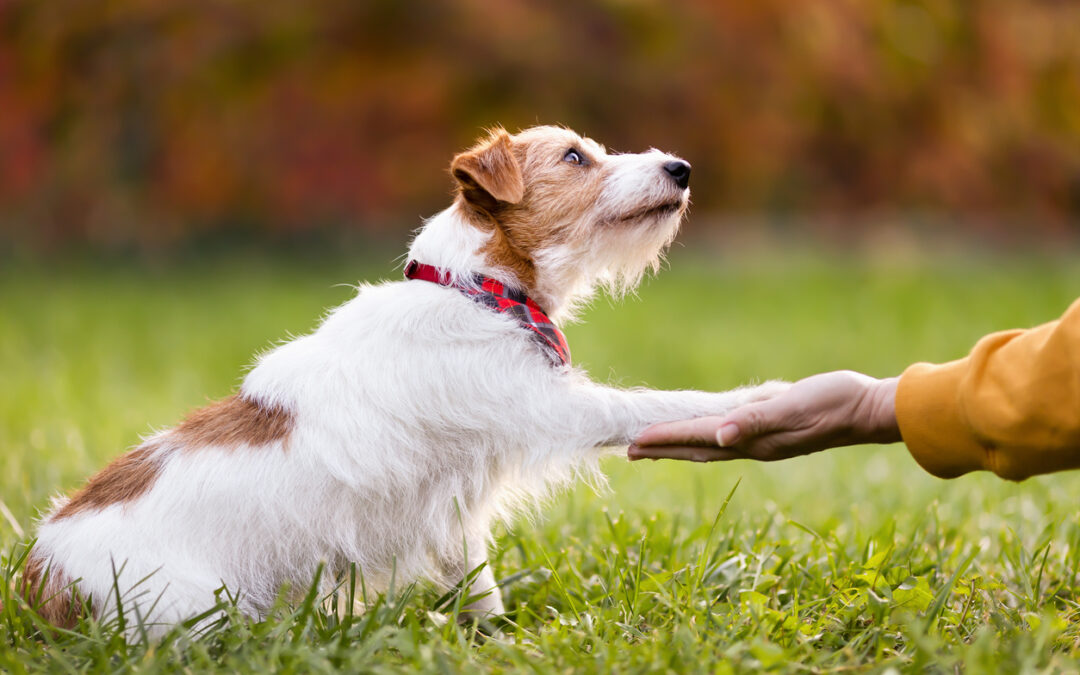
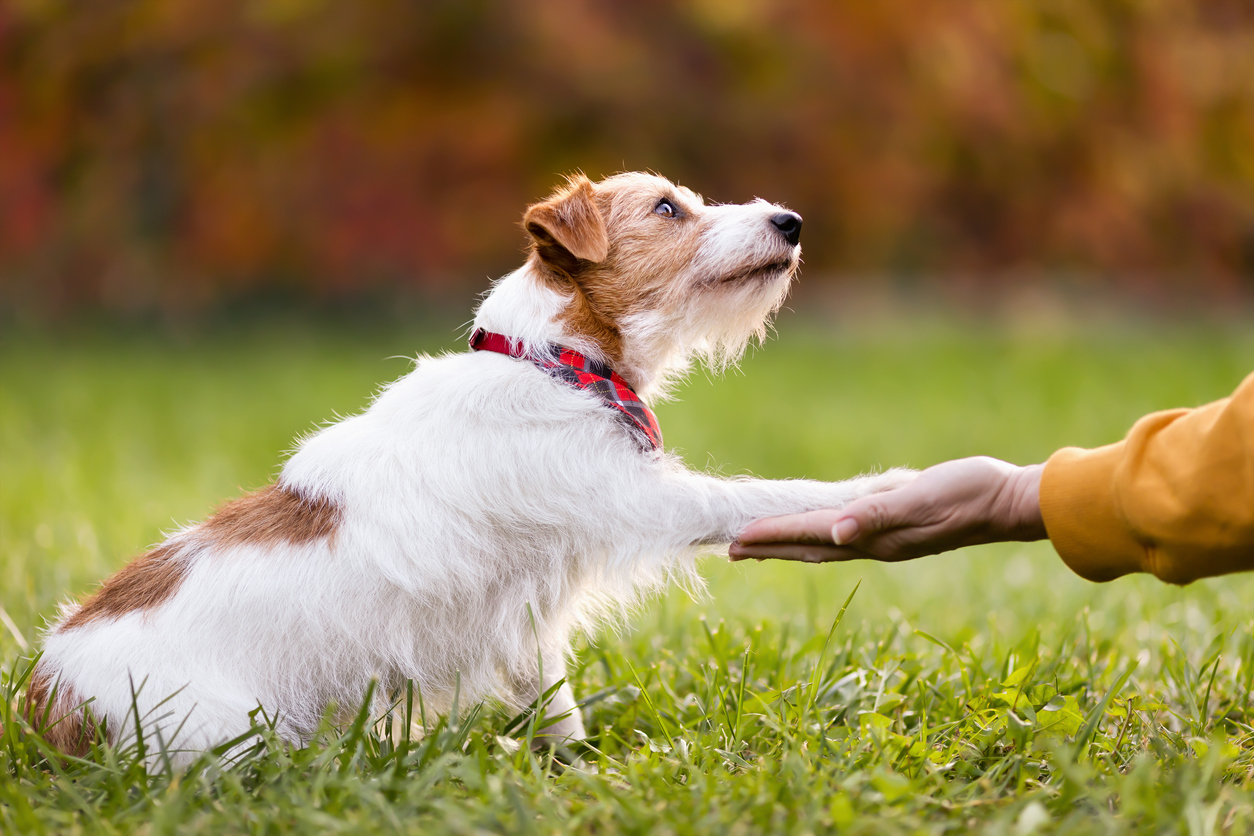
Cute pet dog looking to her owner trainer and giving paw. Friendship and love of human and animal. Trust, connection and care.
Mistake #1: Not Checking References and Reviews
One of the biggest mistakes you can make is not thoroughly vetting your potential pet sitter. It’s essential to check references and read reviews from other pet owners who have used their services.
How to Avoid It:
Ask for at least three references from past clients.
Read reviews on independent websites or social media platforms.
Consider services that conduct background checks on their sitters.
Mistake #2: Overlooking the Importance of Experience and Specialization
Not all pets have the same needs. Some may require special care due to health issues, age, or temperament. Hiring a sitter without the necessary experience or specialization can lead to inadequate care for your pet.
How to Avoid It:
Look for sitters with experience caring for pets similar to yours.
Discuss any special needs your pet has upfront.
Choose a sitter who demonstrates knowledge and comfort with those needs.
Mistake #3: Failing to Have a Meet-and-Greet
Skipping a meet-and-greet session can be a recipe for disaster. It’s crucial for your pet to meet the sitter in advance to ensure they’re a good match. This meeting can also help the sitter familiarize themselves with your home and your pet’s routine.
How to Avoid It:
Schedule a meet-and-greet before finalizing the hiring process.
Observe how the sitter interacts with your pet.
Use this opportunity to discuss your pet’s routine, likes, dislikes, and any emergency procedures.
Finding the right pet sitter is paramount to your peace of mind and your pet’s well-being. By avoiding these common mistakes, you can ensure a positive experience for both you and your furry friend. Remember, a good pet sitter is not just someone who feeds and watches over your pet; they’re an extension of your care and love.
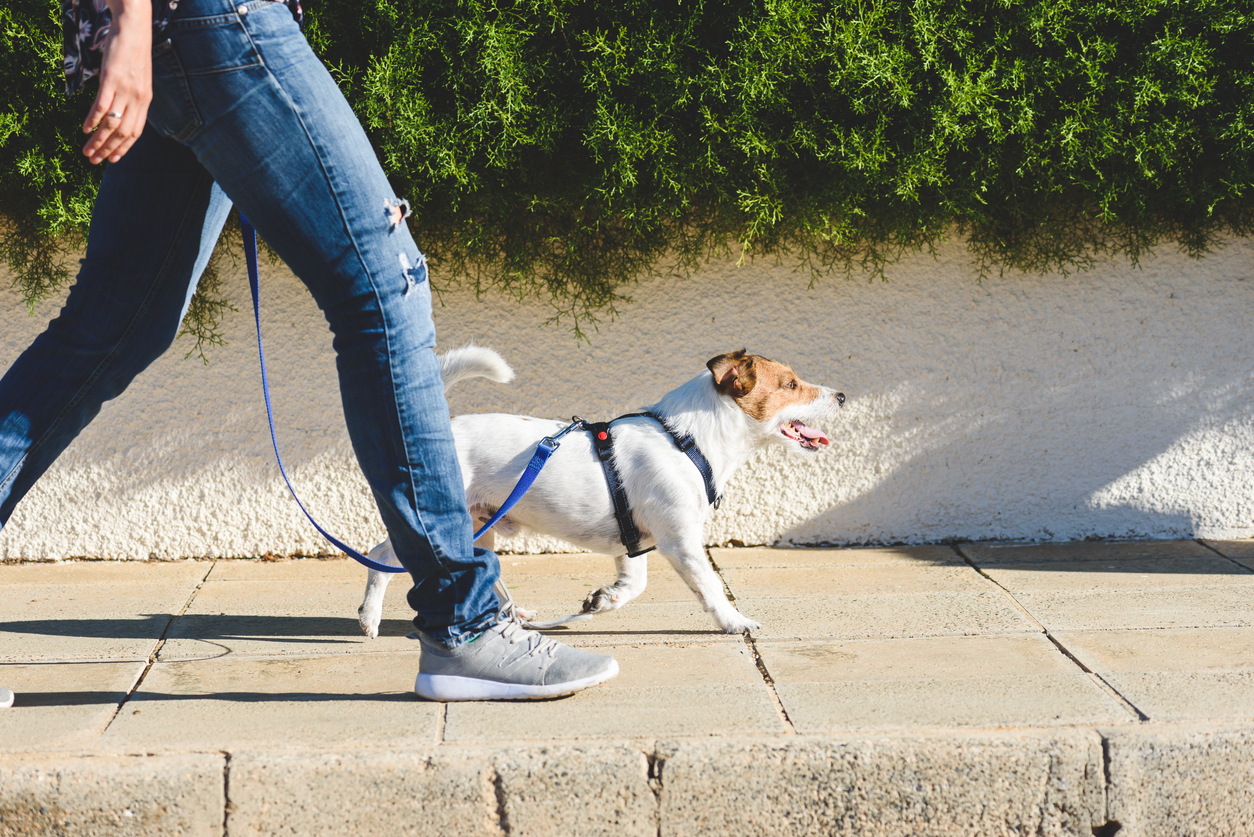
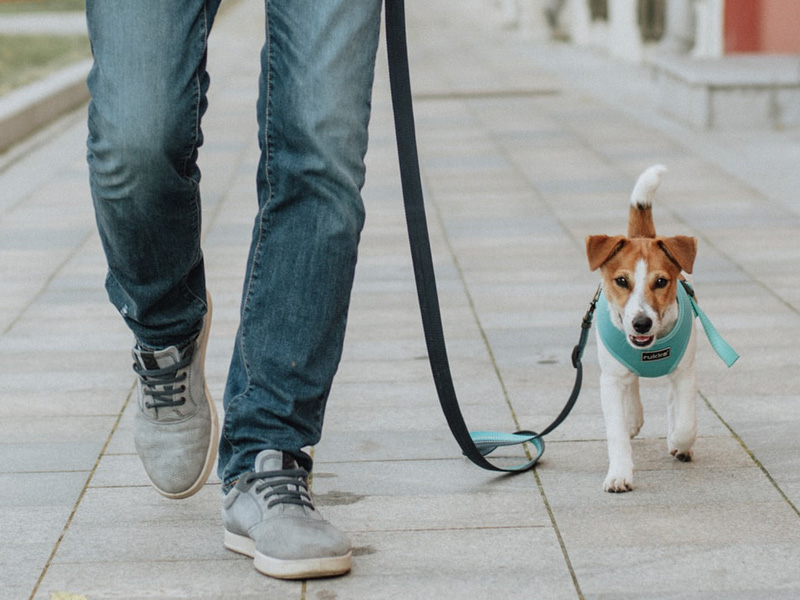
Jack Russell Terrier in harness walking on loose leash
Are you looking for a reliable, experienced pet sitter who can provide the best care for your furry family member? Contact us today to learn more about our services and how we can help keep your pet happy and healthy while you’re away.
Cats, with their mysterious and independent nature, are often experts at concealing their discomfort and pain. As loving pet owners, it’s crucial for us to decipher the subtle signs that indicate our feline friends might not be feeling their best. Understanding these signs is not just about being attentive; it’s about ensuring the health and longevity of our beloved pets. In this comprehensive guide, we’ll explore the various indicators of illness in cats, drawing insights from renowned cat behaviorist Pam Johnson. For more in-depth information, visit Pam Johnson’s website.
Changes in Behavior: Cats often express discomfort through behavioral changes, which can be subtle or significant.
Less Active or Playful: A sudden decrease in activity or interest in play can be a red flag.
Hiding or Seeking More Attention: Uncharacteristic behavior, like hiding more often or becoming unusually clingy, can signal distress.
Aggression or Irritability: A change from their normal temperament, such as becoming irritable or aggressive, may indicate discomfort.
Changes in Eating and Drinking Habits: Eating and drinking habits can tell a lot about a cat’s health and well-being.
Appetite Changes: Both a decrease and an increase in appetite warrant attention.
Drinking Habits: Changes in their drinking patterns, either drinking more or less, can be significant.
Grooming Changes: Grooming behavior in cats is often a good indicator of their health status.
Over-Grooming or Neglect: Excessive grooming or a lack of grooming can both be signs of underlying issues.
Hair Loss: Matted fur or noticeable hair loss should not be overlooked.
Physical Signs: Physical signs are often the most noticeable indicators of a cat’s health.
Weight Fluctuations: Both weight loss and gain are important indicators.
Discomfort or Pain: Signs like limping or reluctance to be touched are clear distress signals.
Lumps or Bumps: Any unusual growths should be checked by a vet.
Vocalization: Changes in a cat’s vocalization can be a subtle sign of discomfort or illness.
Changes in Vocalization: An increase or decrease in vocalization, or changes in the tone or type of meowing, can be telling.
Litter Box Habits: Litter box habits are often one of the first things to change when a cat is unwell.
Changes in Frequency or Consistency: Any alteration in litter box habits is noteworthy.
Accidents: Urinating or defecating outside the litter box is often a sign of a problem.
Breathing and Coughing: Respiratory issues in cats should never be overlooked.
Respiratory Issues: Labored breathing, persistent coughing, wheezing, or shortness of breath are all causes for concern.
Eye or Nose Discharge: Discharge from the eyes or nose can be a sign of various health issues.
Discharge: Unusual discharge from the eyes or nose, or a change in the appearance of the eyes, should be noted.
Vomiting or Diarrhea: Digestive issues can range from mild to severe and should always be taken seriously.
Digestive Issues: Frequent vomiting or diarrhea, especially if blood is present, is a serious concern.
Cats are adept at hiding their illnesses, so it’s up to us to be vigilant and responsive to any changes. If you notice any of these signs, it’s crucial to consult a veterinarian as soon as possible. Early detection and treatment are key to effectively managing health issues in cats.
Don’t wait for an emergency to arise. Regular veterinary check-ups are essential for maintaining your cat’s health. Visit Pam Johnson’s website and explore her books for more insights into cat behavior and health. We also invite you to share your experiences or tips in the comments below. Remember, your observations could help other cat owners too!
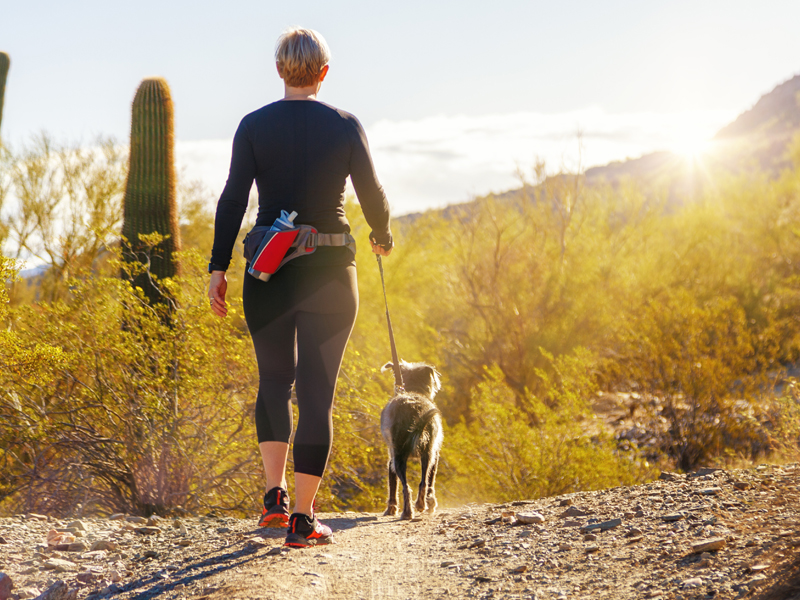
Is there such a thing as walking your dog safely in the scorching embrace of an Arizona summer? Only sometimes. Ensuring your furry friend’s well-being during these intermittent walks becomes so much more important. TLC House & Pet Sitting is here to guide you through the essentials for keeping your dog safe on those oh-so-warm days.
Understanding the Impact of Heat on Your Dog
Unlike their wild ancestors, modern dogs live indoors and are more vulnerable to the effects of high temperatures. Their paw pads are less resilient, and they struggle to adapt as swiftly to warmer weather. Thus, it’s your job as a pet parent to recognize the signs of overheating in dogs and be proactive in ensuring their comfort.
Temperature Thresholds for Walks
Determining the ideal temperature for walks is important and maybe a little confusing. At TLC Pet & House Sitting, we have a quick test. If you can’t put your hand on the ground, then it’s too hot to walk your dog. Therefore, we only walk dogs early morning or after the sun goes down.
Even more, at temperatures surpassing 89°F, dogs are at risk of heat stroke, and any reading of 90°F or higher should prompt you to avoid outdoor activity. For several dogs, even temperatures ranging from 70°-77°F can prove excessively warm. High humidity also plays a significant role; if the sum of temperature (in °F) and humidity crosses 150, outdoor exercise should be avoided altogether.
Where we are in Arizona for example, the climate is often very hot and moderately humid in August. Temperatures are up to 106°F on the day of writing this with a humidity of 41%. On average, Phoenix residents (and most cities surrounding) can expect to experience 86°F or higher throughout the month.
Factors Affecting Your Dog’s Heat Tolerance
Your dog’s response to heat hinges on various factors, including:
Breed Considerations
Brachycephalic breeds, characterized by flat faces, such as English Bulldogs, Shih-Tzus, and Pugs, are more prone to heatstroke due to their impaired ability to cool down through panting. Walking these kinds of dogs in hot weather should be approached with caution.
Body Type, Size, and Weight
Smaller dogs possess a higher surface-area-to-mass ratio, allowing them to dissipate heat more effectively than larger counterparts. Overweight dogs are more susceptible to overheating than lean ones.
Age and Health
Senior dogs and puppies struggle to regulate body temperature efficiently, and their sensitivity to heat is heightened. Preexisting health conditions, particularly heart or respiratory ailments, can amplify vulnerability.
Coat Characteristics
Coat thickness and color also influence heat tolerance. Double-coated breeds like Golden Retrievers are prone to overheating, while dark-colored dogs absorb more heat from sunlight.
Don’t Rely on a Fan
Did you know that dogs sweat primarily through their feet? Pets respond differently to heat than people do. And while we love a cool breeze from a fan, they don’t do the job of cooling off pets as effectively as they do humans.
Acclimation and Humidity
Walking your dog in hot weather may be more difficult if your pup isn’t used to those conditions. The general temperature range your dog is accustomed to matters, along with the humidity level. When combined with these factors, you can refer to the following chart for guidance. Remember to do the touch-the-street/sidewalk test first:
Temp °F Recommendation
100° It’s too hot to walk your dog (and yourself, too, probably)
90° Dangerous heat – use caution (go outside for potty breaks only)
80°-89° Modify or skip the walk (early mornings or after sun goes down)
70°-79° Low risk of overheating (depending on the pup, you may need to keep it short)
60°-69° Enjoy your walk!
Ensuring Safe Paw Patrols: Checking Pavement Temperature
While ambient temperatures might seem manageable, the pavement’s heat can be significantly higher, causing potential harm to your pup’s paws. On sunny days, surfaces like asphalt, concrete, or sand can be 40°-60°F hotter than the air temperature. Stop and think about that for a minute. That’s super-duper hot. To test the pavement’s suitability for your dog, place your hand (or bare foot) on a sunny spot – if you can’t endure it for 10 seconds, it’s too hot for your dog.
Recognizing and Preventing Heat Stroke
Heat stroke is a dire concern during hot weather. Dogs are more heat-sensitive than humans, so identifying symptoms early is crucial:
Fast panting
Excessive drooling
Gums turning red, blue, or bruised
Dry or sticky gums
Weakness
Vomiting
Disorientation
Seizures
If your dog displays these signs, act promptly. Call or take them to the vet and initiate cooling measures. Move your dog into the shade, apply cool (not cold) water, and avoid laying wet towels. Offer water, but don’t force it. A prompt response can avert severe consequences.
Navigating Hot Days: Safe Walking Strategies
To ensure your dog enjoys walks even on scorching days, consider these strategies:
Time Your Walks: Opt for early mornings or evenings when temperatures are cooler.
Plan Your Route: Choose shaded paths and grassy areas instead of hot pavements.
Adjust Your Pace: Slow down, especially if you have a flat-faced breed, to avoid overexertion.
Dress for Success: Utilize dog boots and cooling vests to enhance your dog’s comfort.
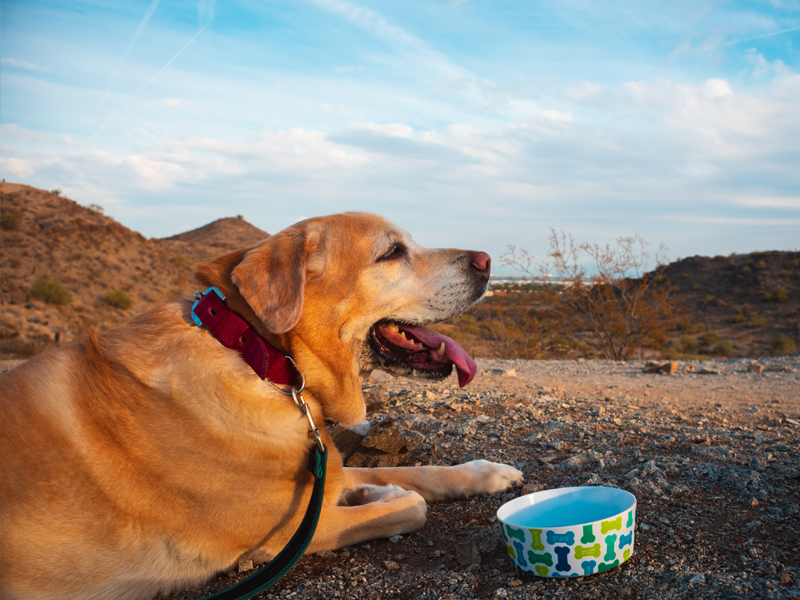
Hydration Matters: Carry water and a collapsible bowl for your dog to drink.
Alternative Activities: Swimming or indoor games can provide exercise without excessive heat exposure.
The Wisdom of Staying Healthy
Not unlike us humans, exercise is easier when we are healthier to begin with. If you’re walking your dog in hot weather, they’ll appreciate all the help they can get. If you’d like to help your pup be able to have a pep in their step, consider their overall diet. Reader’s Digest put together ‘The Very Best Diet for Dogs, According to Vets’. The article quotes a veterinarian as saying “As with people, when dogs eat highly processed foods, we see an increase in chronic inflammation which can show up as arthritis, chronic elevation of liver enzymes, immune thyroiditis, and inflammatory bowel disease, among others.”
Walking Your Dog in Hot Weather: Conclusion
When temperatures surge in Arizona (or anywhere, for that matter), ensuring your dog’s safety becomes an important mission. Armed with the knowledge to read your pup’s temperature cues, assess pavement conditions, and recognize signs of heatstroke, you’re equipped to provide the best care for your furry friend. Remember, a few simple adjustments can make all the difference in ensuring enjoyable walks even on the hottest days.
For More Information
If you have questions about this topic or general questions about pet care, you can contact Kara Jenkins, Owner of TLC House & Pet Sitting. We are also available by email at info@tlcpetsitter.com. View more of our articles on pets here.
It’s not uncommon for our beloved canine companions to encounter health hitches from time to time. Among these, yeast infections in dogs stand out due to their recurrence and discomfort they cause to our pets. Effectively treating yeast infections, seeing symptoms, and learning how to understand and prevent them are crucial for keeping our pets’ overall well-being.
The Nature of Canine Yeast Infections
Yeast infections in dogs, primarily caused by the yeast species Candida, are a type of fungal infection. These yeasts naturally reside on the skin and ears of dogs without causing issues. However, when they multiply uncontrollably, usually due to a compromised immune system or hormonal imbalance, they can lead to an infection.
Symptoms of Yeast Infections in Dogs
The manifestation of yeast infections can vary. However, the most common symptoms include:
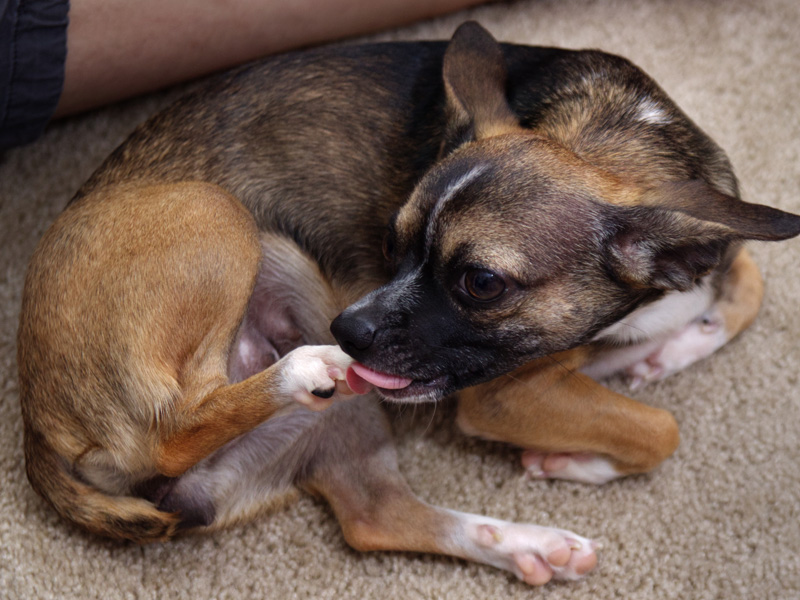
Persistent scratching: Dogs may exhibit more than usual scratching, biting, or licking of the affected area.
Changes in skin color and texture: The skin may become thick, greasy, or take on a reddish or brownish discoloration.
Unpleasant odor: An unusual musty smell is commonly associated with yeast infections.
Head shaking or tilting: If the infection is in the ears, dogs often shake their heads or tilt them to one side.
Diagnosis of Canine Yeast Infections
A proper diagnosis from a qualified veterinarian is crucial for the effective treatment of yeast infections. Veterinarians typically diagnose yeast infections in dogs through a combination of physical examination, symptom evaluation, cytology, and culture tests.
Treatment of Yeast Infections for Your Dog
Once diagnosed, the treatment of yeast infections in dogs usually involves the following:
Topical Treatments: Antifungal shampoos, creams, and sprays are often prescribed for local application.
Oral Medication: In severe or systemic cases, antifungal drugs may be administered orally.
Ear Drops: For yeast infections in dogs’ ears, specific antifungal ear drops are generally recommended.
Prevention Strategies for Yeast Infections in Dogs
Prevention is always better than cure. Here are some strategies:
Maintain cleanliness: Regularly bathing dogs with vet-recommended shampoos can prevent the overgrowth of yeast.
Healthy diet: A well-balanced diet that supports a strong immune system can help keep yeast infections at bay.
Regular check-ups: Routine veterinary check-ups can catch early signs of yeast overgrowth and prevent infections.
Concluding Thoughts
Through understanding and attentiveness, we can safeguard our canine friends from the discomfort of yeast infections. While yeast infections in dogs can be troubling, with proper care, diagnosis, treatment, and preventative measures, they are entirely manageable.
Remember, when it comes to the health of your pet, always consult with a professional. If you notice symptoms that may show a yeast infection, schedule a visit to your vet as soon as possible.
The bond we share with our dogs is amazing. Let’s do our part to keep them healthy, happy, and infection-free!
For More Information
If you have questions about this topic or general questions about pet care, you can contact Kara Jenkins, Owner of TLC House & Pet Sitting. We are also available by email at info@tlcpetsitter.com. View more of our articles on pets here.
Let’s talk about your cat’s kitty litter box. Cats are instinctively clean animals that are internally motivated to use a clean, private litter box. They require very little if any potty training. So why is it that your cat chooses to relieve himself outside of the litter box? There are several reasons for you to consider.
Medical Reasons
If your cat is uncharacteristically eliminating waste outside of the litter box, it is important to understand that this behavior is common when there is a medical problem present. Urinary tract infections and crystals make urination painful for a cat. They may relate the painful experience to the litter box, and begin to avoid it. Before considering other possibilities for this behavior, first speak to your veterinarian about your cat’s health.
Cleanliness
Cats are very particular about the cleanliness of the area in which they choose to go potty. It must be clean (by their standards). If the litter box is soiled, your cat may prefer to “go” elsewhere. Be sure to clean your kitty’s litter box at least once a day. If there are multiple cats, you may need to consider more frequent cleaning.
Stress
A common cause for elimination outside of the litter box is stress. If you notice your cat is going potty in random places, take note of the environment. Are stressful events triggering this behavior? Some stressful events that could cause your kitty to “go” are: a new pet in the home, loud or boisterous kids in the home, or unusually loud noises around the home. Whenever possible, pinpoint the origin of your kitty’s stress and find a solution for it.
Location, Location, Location
Cats prefer a quiet, safe, and private location for their litter box. They also prefer to eliminate waste far away from where they eat. If the litter box is in a location that is noisy, high-traffic, or there is a chance that other household animals may disturb their peace, they may choose another safer location to do their “business”. Be sure to choose a quiet, safe location for your kitty’s litter box, so he will feel comfortable while using it. Also, place your cat’s food in a separate room from his litter box.
Consistency of the Kitty’s Litter
Studies show that cats prefer litter that has a “sand-like” consistency and is odor free. Litter that is highly perfumed may be offensive to your cat and therefore, your cat may reject his litter box. So, consider using litter that contains fewer harsh odors. (Remember that clumping litters are NOT recommended for kittens ages 4 months and younger, as they may have a tendency to swallow litter). Also, when cleaning your cats litter box, use the same consideration with regards to cleaning products. Furthermore, allowing the litter box to dry in the sun will help to kill germs and provide a fresh, clean scent.
Ditch the Liners
Also, litter box liners tend to be an annoyance to kitties and they may avoid the litter box because of it. Although you may enjoy the convenience of the clean-up, your kitty may not appreciate it. Consider ditching the liners to prevent your cat from avoiding the litter box.
Two Litter Boxes?
It is common for cats to prefer two different locations for #1’s and #2’s. If you feel that this may be the case for your kitty, you should have two litter boxes. Keep them in separate locations. If you have a two-story home, keep one litter box on each floor.
Someone New?
Inviting a new cat into the home, or moving can cause behaviors such as marking the territory and stress-related elimination. If you have a new cat or a new home, you should confine your cat in one room including the litter box, bed, food and water. This will allow the cat to feel safe and secure while getting used to his new surroundings. Once the cat has used the litter box multiple times, and is showing signs that he is curious about exploring the rest of the house, you can then let him do so.
Stay Put Kitty Litter Box
Once you determine the location of your cat’s litter box, don’t move it or change it (except to clean it of course)! Cats need the consistency and they resist change.
Pardon Me
If you find your cat in the middle of “going” somewhere in the house, don’t punish him. Instead, do something to interrupt him like making a startling noise. Then immediately direct your cat to the litter box. Since cats often times relieve themselves outside of the litter box only in times of stress, by punishing them, you will only add to their stress and cause more accidents in the future. Instead of punishment, try to discover the reason why your cat is eliminating outside of the litter box. Only then, will you be able to alter the behavior.
For More Information
If you have questions about this topic or general questions about pet care, you can contact Kara Jenkins, Owner of TLC House & Pet Sitting. We are also available by email at info@tlcpetsitter.com. View more of our articles on pets here.
Many cat owners are divided on the topic of keeping your cat indoors. A Scottsdale client recently told me a story of how his indoor / outdoor cat came home with scratches and bite marks after spending the night outside. His cat really enjoyed the freedom and stimulation of being outdoors, but after several dangerous encounters, this client decided to keep his kitty indoors full time.
Many veterinarians agree that indoor cats live longer due to lower incidents of illness, accidents, and stress. For a happier, healthier pet, you may want to consider keeping your cat indoors.
10 Reasons for Keeping Your Cat Safely Indoors:
Making the decision to keep your cat indoors for safety and health reasons is a very personal choice. In Scottsdale, we have coyotes, feral cats, homeless dogs, raccoons and other hungry animals roaming about – not to mention the occasional rattlesnake!
Cat Parasites – Fleas, tapeworms, hookworms, and other parasites live outside. These skin and intestinal parasites are contracted while Fluffy is wandering in unfamiliar environments. She may pick them up from other animals or even by ingesting infected feces or soil. Parasites cause vomiting, diarrhea, dry skin, dull coat, itchiness and and other symptoms. Unfortunately, parasites can be very stressful for a cat.
TrafficAccidents – Car accidents are a common cause of injury and death for outdoor cats.
Feline Infection and Disease – Cats can easily catch something unpleasant when spending so much time outdoors. Common infections and some of the most dangerous feline diseases such as rabies, the leukemia virus and cat AIDS are extremely contagious. If your cat spends time outdoors, he may contract these diseases from infected felines or other animals. In addition, cats really like to chase mice and birds. Mice and birds are carriers of numerous infections.
Poisoning – Outdoor cats may easily stumble upon toxic plants. Out of curiosity, craving or hunger, they will chew on these out of curiosity, craving or hunger. Poisoning can be fatal in cats, especially if you don’t get to the vet quickly.
You can eliminate the toxic plants, rat poison and other potential dangers from your home, so your cat will not be at risk.
Cat Fights – A cat spending time outdoors is more likely to get into a fight. Cats will fight with other cats, dogs, raccoons or skunks. Unless Fluffy is preparing for the impending serious injuries, this is very dangerous for her. In addition, contracting rabies from stray cats can also happen.
Cat Allergies – Did you know that cats can get allergies, too? Some cats may develop allergy symptoms if left outdoors for extended periods of time. Why? Because they may be sensitive to inhalant allergens such as pollen.
Early Detection – When kept indoors, you can better monitor your cat. Daily view of your feline allows you to quickly notice any changes in their health and behavior. This gives you opportunities to treat illnesses earlier.
Reduce Stress – The stable environment that only a pet owner can provide while indoors, results in less stress for your beloved cats. Parasites and disease are also stress causing triggers. By being less exposed to these factors, an indoor cat may enjoy a more stress-free life.
Cleaner Home – If your cat is not wandering outside, he won’t bring all the ‘gunk’. All kinds of dirt, dead animals and bacteria are out there and he may bring it in. This bacteria could affect the owner. This is especially true if the cat likes to spend time on couches or in the owner’s bed.
Longer, Happier Life – Indoor cats typically live longer than outdoor cats. On average, indoor cats have a life expectancy between 10 to 15 years. Overall, however, there are several factors that determine how long your cat will live. This includes how often you take them to the vet for checkups.
Keeping your cat indoors is certainly a personal choice. If you’re like the cat owner we mentioned above, it may be time to consider making the switch to keeping your cat indoors full time.
For More Information
If you have questions about this topic or general questions about pet care, you can contact Kara Jenkins, Owner of TLC House & Pet Sitting. We are also available by email at info@tlcpetsitter.com. View more of our articles on pets here.
With less than a week to go until it’s officially the holiday season, you may be doing a lot of menu planning. Many of the holidays have traditions surrounding food, and none more so than Thanksgiving. You may be already aware that there are many foods unsafe for your pet. However, this list will show you that it is possible to prepare holiday food for pets that is delicious and safe for them.
Turkey
What would a Thanksgiving meal be without turkey? Luckily, the meat from this bird is safe for your pets as long as it is thoroughly cook. It should also be given without the skin. Of course, never give your dog the bones from the turkey. Bones can splinter easily becoming sharp weapons in your dog’s delicate digestive tract. In order to qualify as a good Thanksgiving food for pets, the turkey meat should be unseasoned.
Sweet Potatoes
There are several traditional Thanksgiving vegetables that your pets can enjoy with you. Sweet potatoes are often a pup favorite. They are rich in many nutrients, such as Vitamins A and C, fiber, and potassium. Most dogs will gladly chow down on some raw or dried pieces of sweet potato. You do not want to give your dog the canned kind or any that have been baked with marshmallows. Most marshmallows contain Xylitol, which is toxic for dogs. Your pets also do not need the additional sugar that is often found in sweet potato casseroles.
Another great veggie to share with your pets is green beans. They are high in both fiber and Vitamins C and K. The trick here is to feed them to your dog while you are cooking up your green bean casserole. Your pet will much prefer the raw, crisp version over the finished product. If your secret green bean casserole recipe involves onions or mushrooms, it is even more important to not let your dog sample it, as these ingredients are toxic to them.
Pumpkin
This fall classic is often one of the first foods to make an appearance at the holidays. That being said, feeding your animals leftover pumpkins from Halloween is not advised and could make your pet very ill. You can, however, feed them pure fresh pumpkin. This holiday food for pets can be either raw or cooked, but it should not contain any added sugar or spices.
Bread
The bread debate; should I or shouldn’t I? Dogs are not going to get much nutritional value out of bread (just like us). Feeding your pup small servings of white bread or dinner rolls from time to time won’t hurt them. It won’t help them either. Bread is a filler food and doesn’t contain any extra nutrients that they are not already getting from their daily dog food diet. There can be significant health risks, however, from bread dough or not fully cooked bread. The yeast in many breads, if uncooked, will continue to rise once it enters your pets tummy. Read more about bread and your dog here from the American Kennel Club.
Avoid Feeding Your Pets These Foods, Any Time of Year
Walnuts and Raisins
Many people know that raisins and grapes are dangerous for dogs. These mini treats pack a punch to your pups kidneys. Avoid them always. What many people do not know is that several types of nuts, in particular walnuts, are also very dangerous. For more information on nuts and pets, reading this article will help.
Mac and Cheese
This holiday food for pets should be approached with caution. There is a debate on mac and cheese in the pet community. Dogs and cats do not need a daily dose of dairy products. But some sure do love it! However, some pets, even cats, can become intolerant of dairy products. This is especially true in older pets. In these cases, even small amounts of mac and cheese could result in gas, vomiting, and diarrhea. You know your pet best, if their tummies can handle it, keep the treat to one small serving.
Mashed Potatoes with Garlic and Onion
Garlic and onion can make your dogs very ill. Even the powdered versions can wreak havoc on your pets body. Further, raw potatoes should be avoided as they contain an element toxic to animals; solanine. If your pet loves potatoes, be sure that they are fully baked or boiled (and cooled) before serving to your furry friend. Skip the salt and butter, too, for the best version for Fido.
As always, for items that may affect the health and safety of your pet, consult with your veterinarian.
For More Information
If you have questions about holiday foods for pets or general questions about pet care, you can contact Kara Jenkins, Owner of TLC Pet Sitter. We are also available by email at info@tlcpetsitter.com.
If you’d like to know about a potentially deadly, and very preventable condition, read on. Bloat in dogs is not uncommon. The proper term is gastric dilatation-volvulus (GDV). It can happen to any dog, and most often occurs in larger dogs.
What is Bloat (GDV)?
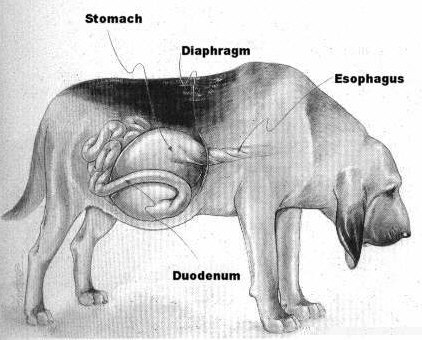
GDV occurs when a dog’s stomach fills with gas, food, or fluid and subsequently twists. GDV develops without warning and can progress quickly. It is always an emergency.
Stomach distension alone is referred to as a “simple bloat”, or dilatation. This simple bloating can occur on its own and may resolve on its own. The problem is that the issue can progress to GDV quickly and at any time.
Bloat strikes males more than females, and if not treated, can kill within hours.
Signs of Bloat in Dogs
Enlarged / distended abdomen
Showing discomfort
Pacing
Whining
Attempts to throw up
Restlessness
Painful Abdomen
Overall Look of Distress
Excessive Drooling
Panting or Rapid Breathing
Collapse/Inability to Stand
Dangers of Extreme Bloat
Pressure on heart, lungs
Reduce blood flow to heart, spleen
Cardiac arrest
Stomach burst
Peritonitis
Stomach torsion, “twisted stomach”
There is no direct cause and effect with this problem, such as a bacteria or virus that a vet can treat with antibiotics or vaccinate against. Bloat is usually the result of a combination of factors that might have no effect on most dogs, but can bring about a life-threatening situation in others. Owner awareness of the problem is the first step in preventing its occurrence.
What to Do In Case of Signs of Bloat
Not every case is extreme, and the problem may go away, but if it does not, or gets worse, it becomes a medical emergency. Contact your veterinarian immediately if swelling starts, continues or worsens. Your vet can insert a tube into the stomach to relieve the pressure, however, you will have to get your dog to the vet quickly.
Bloat Prevention
Feed your dog smaller meals
Monitor your dogs drinking for smaller amounts of water at a time
No vigorous play right after meals
Reduce dog’s overall stress
To learn additional details about bloat and how it can affect your precious pup, read this article from a New York veterinary medical center.
Preventing heat exhaustion in dogs can be a little tricky. Knowing what to look for in your pet is key. During the summer months, especially here in the Arizona valley, temperatures can be lethal for humans as well as for our pets. Therefore, while outside with your dog, please be mindful of the signs of heat exhaustion, which could lead to a potentially fatal heat stroke.
Heat Exhaustion Signs in Dogs
1. Heavy Panting – The first sign of heat exhaustion is heavy panting. Since dogs are incapable of sweating, their only way to cool their internal temperature is through panting.
2. Pay Close Attention to Certain Breeds – Certain breeds with heavy coats (such as Shelties or Chow Chows) and those with short snouts (such as Boxers and Pugs) are much more susceptible to heat exhaustion and should be watched closely while in hot temperatures.
3. Weakness – Dogs may experience weakness in extreme heat. If your usually upbeat dog is acting lethargic, heat exhaustion may be causing it.
4. Disorientation – You may notice that your dog is unaware of his/her surroundings. This is typical during heat exhaustion (same as with humans).
5. Vomiting – If you know your dog hasn’t eaten anything to cause this reaction, it could be heat exhaustion.
Watch for Heavy Panting
Heat Stroke Signs in Dogs
Worse than heat exhaustion is heat stroke. If heat exhaustion is not caught in time, you’ll see these signs in your pet.
1. Heavy Panting – This is also the first sign of heat stroke.
2. Disorientation – Another characteristic of heat stroke.
3. Diarrhea – This often occurs in the event of a heat stroke.
4. Seizures and/or Coma – Another very serious symptom of heat stroke.
Treatment
Preventing heat exhaustion is easy to do. Even so, it sometimes happens. Therefore, it is very important to spot the signs early before a heat stroke occurs. Unfortunately, heat strokes is often times fatal. Pet owners who observe serious signs of heat exhaustion or heat stroke should seek help from a veterinarian immediately. In the meantime, there are things that will cool down a dog displaying signs of heat exhaustion:
1. Provide plenty of water
2. Keep the pet in a cool resting place
3. Place a cool, wet towel around the dog’s neck
4. Ice packs may be placed on the dog’s armpit or neck area
Preventing Heat Exhaustion
Dogs need plenty of water
Some very simple steps can be taken to avoid the serious effects of heat stroke and heat exhaustion in pets.
Avoid taking your dog outside during the middle of the day in the hot summer months. Potty breaks should be limited to quick in and out.
Walk dogs only during the morning and evening hours when the temperature is cooler. Even then, be careful of how far you are walking and keep an eye on Fido’s behavior.
Provide plenty of fresh water at all times. Considering switching it periodically for fresh cooler water.
Never leave your pet outside, tied up, unattended, or in a vehicle when it’s hot outside.
The rule of thumb is that if it’s uncomfortable for you, it’s probably uncomfortable for them.
If you have questions about this topic or general questions about pet care, you can contact Kara Jenkins, Owner of TLC House & Pet Sitting. We are also available by email at info@tlcpetsitter.com. View more of our articles on pets here.
If you have questions about this topic or general questions about pet care, you can contact Kara Jenkins, Owner of TLC House & Pet Sitting. We are also available by email at info@tlcpetsitter.com. View more of our articles on pets here.
The importance of exercise for pets cannot be overstated. Plainly said, if your dog is overweight, they aren’t getting enough exercise. And, like humans, being overweight can lead to health issues in your pets.
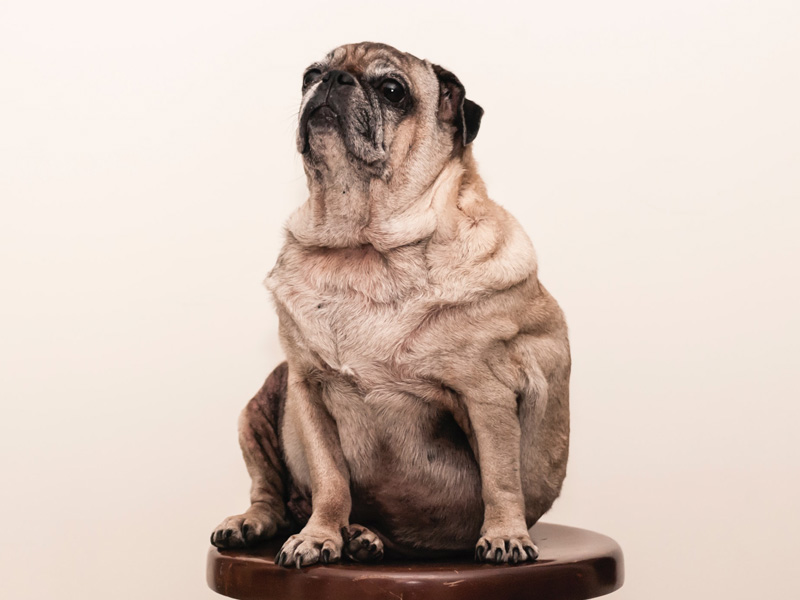
This pup is overweight
According to the Experts
The Association for Pet Obesity Prevention tells us that out of America’s 77.5 million dogs, 35 million can be considered overweight. Of those, 6.7 million are considered obese. Those extra pounds can take an average of two years from our dogs’ lives. In addition, this extra weight contributes to joint problems, respiratory diseases and a host of other ailments that can affect a pet’s quality of life. Exercise for pets can manage some of these issues.
Effects of Exercise for Pets
Evenmore, it is not just your dog’s physical health that is adversely affected by a lack of exercise. Regular exercise and companionship are critical to your pet’s mental and physical well-being. A stimulating break in a lonely day can curb destructive behavior and alleviate separation anxiety in your pet. Exercise helps promote a daily bathroom routine and breaks the lifestyle cycle that leads to obesity.
Benefits for Your Pets
Also, a dog accustomed to regular exercise is generally a better candidate for training. Activity reduces stress and a calmer dog is less aggressive. A happier and calmer dog is usually less destructive. That’s good news for pet owners, too.
Getting Started with Exercise
Of course, like us, dogs that have spent their lives as couch potatoes are not ready to leap into a vigorous exercise routine. At TLC House and Pet Sitters, our sitters/walkers are aware of this. We are attuned to the exercise requirements and capabilities of different breeds at different times in their lives. We will not give a dog more to do on a walk than what they are capable of.
With most us working full-time, or even more, pets don’t always fit into a busy schedule. The good news is that with a 20-minute walk with a TLC sitter every day your dog will walk far enough in his lifetime to cross the United States? However, dogs aren’t the only pets that benefit from exercise. Your TLC sitter will play with your cat or let your hamster out for a run on the wheel during a scheduled visit. Of course, in Arizona, all dog walking is kept to a minimum in the summer months. TLC sitters will exercise your pets without having to walk dogs outside. With TLC, exercise for pets is easier than you might think.
For More Information
If you have questions about this topic or general questions about pet care, you can contact Kara Jenkins, Owner of TLC House & Pet Sitting. We are also available by email at info@tlcpetsitter.com. View more of our articles on pets here.
If you have questions about this topic or general questions about pet care, you can contact Kara Jenkins, Owner of TLC House & Pet Sitting. We are also available by email at info@tlcpetsitter.com. View more of our articles on pets here.
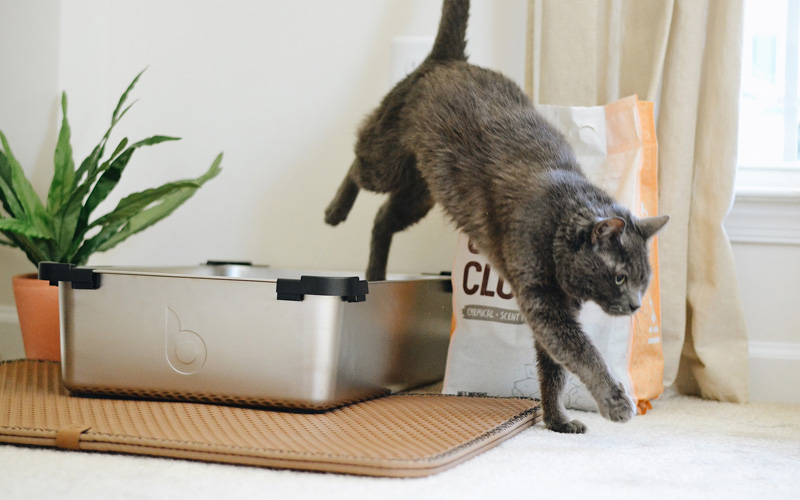
Cat litter scooping on the regular is more important than you might think.
As you know, your cat is a marvel of consistency. She sleeps in the same place, eats the same amount of food and drinks the same amount of water. Every day. Therefore, this love of routine can make it easy to spot early indicators about your cat’s health. And those telltale signs are often waiting in your cat’s litter box.
We Scoop for Many Reasons
TLC offers regular litter box cleaning as part of our service. But cat litter scooping is more than just changing the litter. Our sitters are trained to monitor the scoops they make each visit. Among the things we look for are color (signs of blood in the urine or stool), odor (anything unusual), size of the urine clump (urinary tract concerns) and parasites in the stool.
Not all the clues reside inside the litter box. If there are not the expected number of urine clumps, our sitters can alert you to this change of behavior. Peeing outside the box can be an expression of misdirected aggression (read this recent article) by your cat. Somehow her environment is not to her liking and you can take steps to correct the situation.
An abnormal litter box does not automatically mean trouble. However, regular monitoring is a sure way help prevent trouble from brewing and keeping your cat happy.
Cat Litter Scooping Made Easy
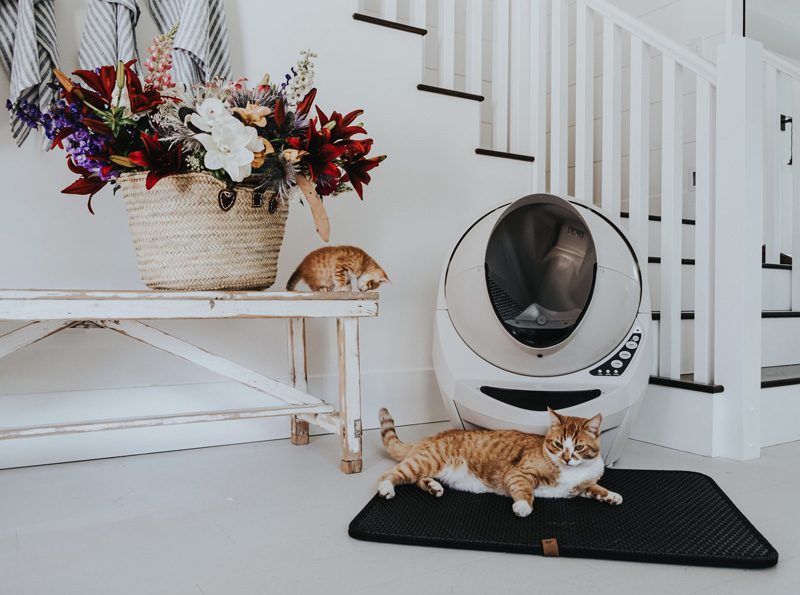
If you’re like us, finding new gadgets to help us care for our pets is a fun pastime. Have you seen this “Litter-Robot“? It may be a little pricey for some of us. However, there are some equally impressive and less-expensive versions here. And, of course, remember the ever-popular manual cat litter scooper.